
The psychology of wearable merchandise: why people keep branded bandanas
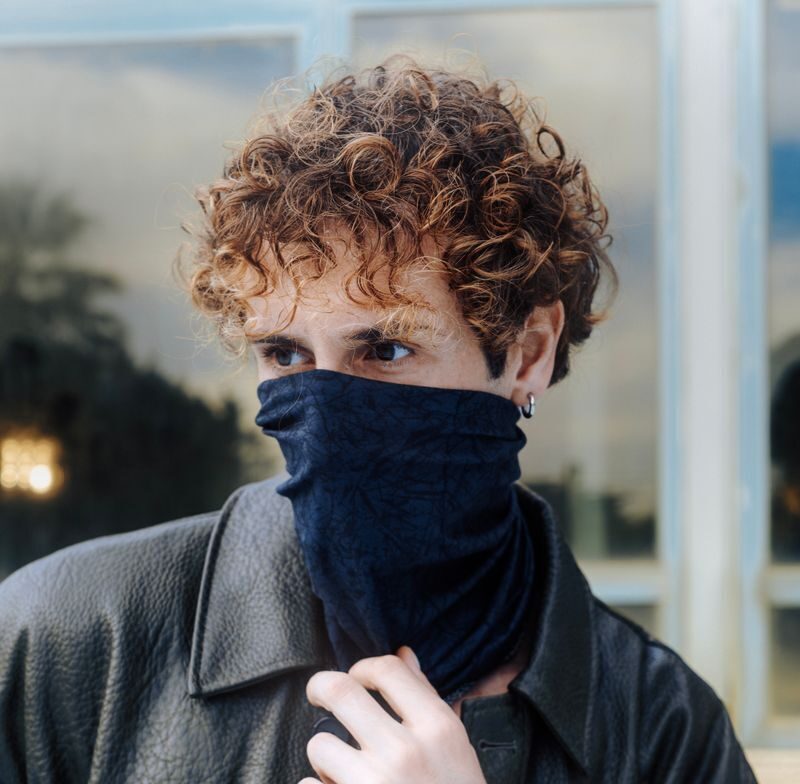
Promotional merchandise works best when it stops feeling like advertising and starts becoming part of everyday life. Wearable products have a particular advantage because people actively choose whether to use them, and that decision often depends on much more than the presence of a logo. Comfort, usefulness, appearance and the ability to express personal style all influence whether an item is kept or forgotten. Bandanas fit naturally into this category because they are lightweight, familiar and flexible enough to work in different situations. For brands, understanding why people continue to wear a promotional accessory can help turn a relatively simple textile product into a much more effective long-term branding tool.
People keep products that have a clear purpose
The first reason people hold on to promotional merchandise is straightforward: it is useful. Promotional bandanas can be worn around the neck or head, used during outdoor activities, taken on trips or simply kept in a bag for when they are needed. This gives the product an immediate practical role instead of forcing the recipient to find a reason to keep it. The more naturally an item fits into existing habits, the less likely it is to be treated as disposable merchandise. A custom bandana therefore has an advantage over many purely decorative giveaways because it can continue to provide value after the original event, campaign or interaction with the brand has finished.
Wearable merchandise becomes part of personal identity
Clothing and accessories communicate something about the person wearing them. Even small items can reflect interests, affiliations, memories or personal taste. This is why branded bandanas are more likely to stay in use when their design feels attractive beyond the advertising message itself. Someone may associate a bandana with a festival, sports event, trip, company gathering or campaign they enjoyed, turning the product into a reminder of that experience. At the same time, colours and graphics that suit the wearer’s style make the accessory easier to incorporate into everyday outfits. In this context, the branding works best when it adds to the design rather than competing with it.
A good design reduces the feeling of wearing an advertisement
People are usually more willing to wear merchandise that looks like a real product rather than a promotional object. A logo bandana covered by an oversized corporate message may generate strong visibility during a short event, but it can become less appealing afterwards. A more considered design can achieve a better balance between recognition and wearability. Repeated motifs, distinctive colours, illustrations and subtle logo placement allow the brand to remain identifiable while giving the recipient something that feels visually complete. A printed bandana can therefore become much more than a surface for a logo: the entire pattern can communicate the character of the brand without making the wearer feel like a walking advertisement.
Familiarity increases through repeated exposure
Brand recognition is built gradually. Every time an accessory is picked up, worn, packed for a trip or seen in a photograph, it creates another small point of contact with the brand. This repeated exposure is one of the reasons wearable merchandise can remain valuable long after the campaign in which it was distributed. The effect is particularly strong when the product becomes associated with positive experiences such as a successful event, holiday, concert or outdoor activity. Instead of asking for the user’s attention through another advertisement, the brand becomes part of an object the person has already chosen to keep. The resulting visibility may be less intrusive, but it can continue for much longer.
Ownership feels stronger when the product suits the recipient
Personalisation is another important factor in how merchandise is perceived. A generic item given to thousands of people may feel disposable, while a product whose design, colours or purpose clearly match a particular audience can feel more relevant. This does not mean every item needs individual personalisation. The sense of ownership can come simply from designing the product around the people expected to use it. Outdoor audiences may value functionality and energetic graphics, while conference participants might respond better to a more restrained visual style. TEDGIFTED can fit into this approach by treating the bandana as part of the broader brand experience rather than as an isolated advertising surface.
Memories can give merchandise value beyond its price
The perceived value of promotional merchandise is not determined only by production cost. A relatively simple textile accessory can become important because of what it represents. A bandana received after completing a race, attending a memorable festival or taking part in a company event may carry emotional value that a more expensive but less meaningful gift does not. This connection can encourage people to keep the item even when they are not using it regularly. For brands, this highlights the importance of distribution context: the moment and reason for giving the product can be just as influential as the design itself.
The best branded products earn their place
People rarely keep promotional merchandise simply because a company wants them to. Products stay in bags, drawers, wardrobes and daily routines because they earn a practical or emotional place there. Bandanas have the potential to achieve both: they are useful enough for repeated use and visually flexible enough to become part of a person’s style or memories. When functionality, design and context work together, the branding does not need to dominate the product. The recipient keeps the accessory because it offers something valuable to them, and continued brand visibility becomes a natural consequence of that decision.


