How Dental Practices Are Prioritising Patient Care
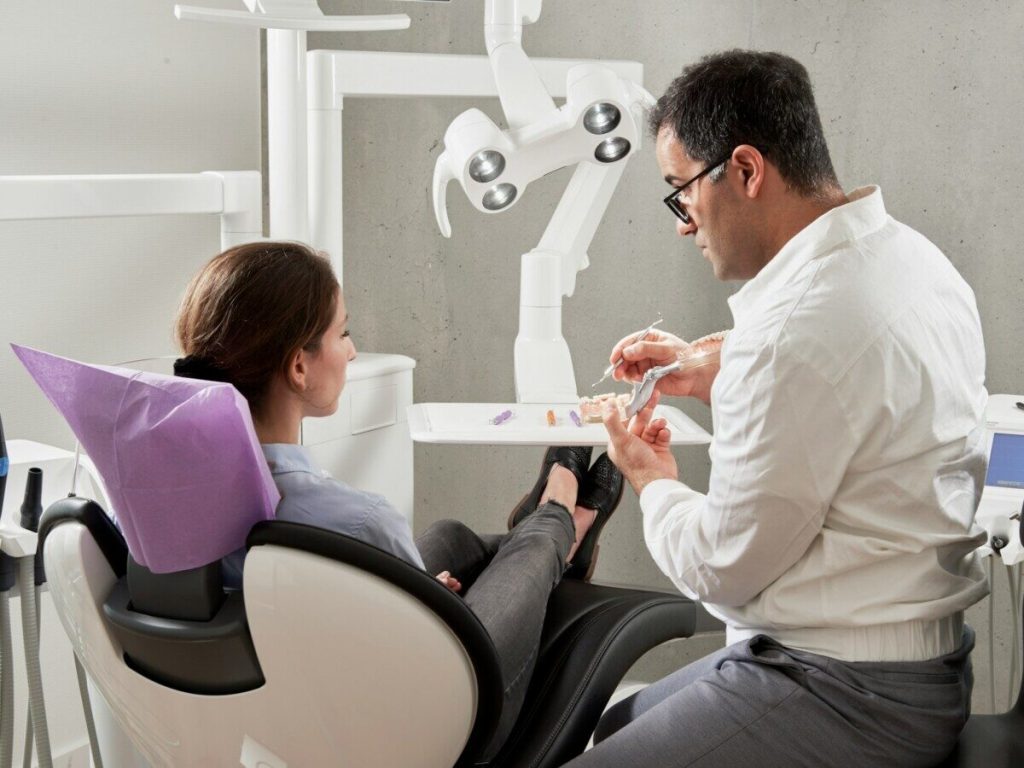
Dentistry has changed significantly over the past decade. What was once viewed primarily as a clinical service is now increasingly recognised as a key part of holistic health and wellbeing. Modern dental practices are no longer focused solely on procedures and outcomes; they are placing greater emphasis on the overall patient experience, preventative care, and long-term relationships.
So how exactly are dental practices prioritising patient care today?
Moving From Reactive to Preventative Care
One of the most important shifts in dentistry has been the move toward prevention. Rather than waiting for pain or visible issues to arise, practices are encouraging regular check-ups, hygiene appointments, and early intervention.
Preventative care includes:
- Personalised oral hygiene advice
- Monitoring gum health closely
- Identifying early signs of decay or wear
- Providing dietary guidance
By addressing small concerns before they develop into larger problems, dentists reduce discomfort, lower treatment costs, and protect patients’ long-term health. This proactive approach reflects a genuine commitment to wellbeing rather than simply treating symptoms.
Improving Communication and Transparency
Patient care is strengthened when communication is clear and open. Modern dental practices are prioritising transparency by ensuring patients fully understand their treatment options.
Dentists now take time to:
- Explain procedures in simple language
- Discuss benefits and potential risks
- Outline timelines and recovery expectations
- Provide clear cost breakdowns
This collaborative approach empowers patients to make informed decisions about their oral health. It builds trust and reduces anxiety, especially for those who may feel nervous about dental visits.
Creating More Comfortable Environments
For many people, visiting the dentist can be stressful. Recognising this, practices are investing in creating calm, welcoming spaces that support emotional comfort as well as physical care.
From friendly reception teams to thoughtfully designed treatment rooms, the goal is to reduce tension from the moment a patient walks through the door. Some practices also offer options tailored to nervous patients, ensuring that comfort is a core part of the experience.
This focus on environment reflects a broader understanding that healthcare must address both clinical and emotional needs.
Investing in Modern Technology
Technology plays a significant role in improving patient care. Digital imaging, advanced diagnostics, and minimally invasive techniques allow for more precise treatment and quicker recovery times.
These advancements mean:
- Faster appointments
- More accurate diagnoses
- Reduced discomfort
- Better long-term outcomes
When practices invest in modern tools, they demonstrate a commitment to delivering high-quality, efficient care. Patients benefit from improved results and greater confidence in their treatment plans.
Personalising Treatment Plans
No two patients have identical needs. Dental practices are increasingly tailoring care to suit individual lifestyles, preferences, and health conditions.
Personalisation might include:
- Flexible scheduling for busy families
- Customised hygiene advice
- Alternative treatment options when appropriate
- Long-term care plans designed around specific goals
This patient-centred model ensures that care is not standardised but adapted thoughtfully to each person.
For example, those seeking a practice that emphasises personalised and attentive service in South London may consider exploring the approach taken by the Balham dentists at directdental.co.uk, where patient-focused care is central to the experience.
Supporting Whole-Body Health
Dental practices are also recognising the strong link between oral health and overall health. Conditions such as gum disease have been associated with broader systemic issues, including cardiovascular concerns and diabetes.
By educating patients about these connections, dentists are positioning themselves as partners in wider health management. Regular check-ups become part of a larger health strategy rather than isolated appointments.
Encouraging Long-Term Relationships
Perhaps the clearest sign that dental practices are prioritising patient care is their focus on long-term relationships. Trust is built over time through consistency, reliability, and genuine concern.
When patients feel valued and understood, they are more likely to attend regular appointments, follow advice, and seek guidance early. This strengthens outcomes and creates a positive cycle of preventative care.