Reducing the “slip and trip” burden: A guide for UK Industrial SMEs
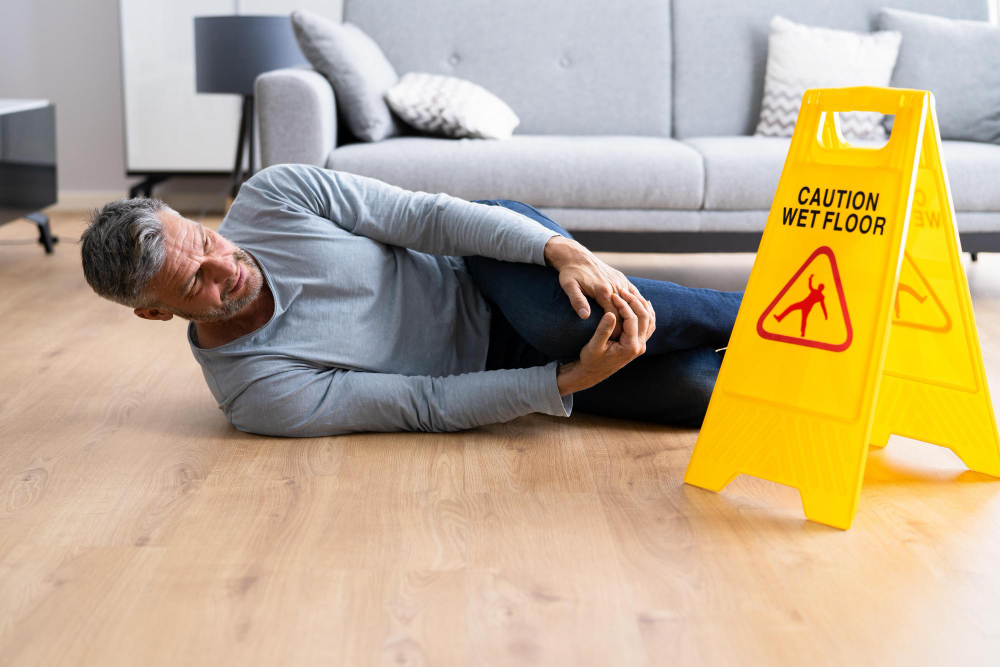
Slips, trips, and falls are among the most common causes of injury in industrial workplaces, often leading to high costs and disruptions.
Small and medium-sized enterprises (SMEs) in the UK face unique challenges when it comes to managing these risks, from limited resources to the pressure of maintaining operational efficiency.
By taking a proactive approach and embedding safety into your everyday operations, you can mitigate the impact of slip and trip incidents and create a safer, more efficient workplace for your team.
The financial reality of workplace accidents
When an employee slips or trips, the immediate cost is often obvious: medical bills, insurance premiums, and sick pay. But the impact goes beyond these expenses.
A worker’s absence can disrupt production schedules, lead to delays in orders, and strain other team members. These disruptions may also damage your company’s reputation, as clients and partners notice delays or changes in service.
According to the Health and Safety Executive (HSE), 680,000 workers sustained a non-fatal injury in 2024/25, with 30% reported as a slip, trip or fall.
A single slip-related injury may not only threaten the profitability of your business but also increase the likelihood of regulatory scrutiny or fines. The true cost of these incidents is much higher than you might initially think.
Engineering out the risk (The integration)
A critical part of reducing slip and trip incidents lies in integrating safety measures into your operations. This means addressing hazards from the ground up – literally.
For instance, flooring plays a major role in preventing accidents. Ensure that your surfaces are slip-resistant, particularly in areas prone to moisture or spills. Regularly inspect these areas and repair any cracks, uneven surfaces, or worn-out materials that could increase the risk of trips.
Wearing appropriate footwear significantly reduces the chances of slipping, especially when workers are on their feet for long hours in hazardous environments.
Encourage your team to invest in high-quality, slip-resistant safety footwear, designed specifically for the demands of your workplace. By providing this equipment as part of your safety policy, you actively help protect your employees and reduce the likelihood of accidents.
Technical features for business efficiency
When it comes to improving safety and efficiency, technology can play a pivotal role. Automated cleaning systems can help maintain dry, slip-free floors by quickly removing spills and preventing the accumulation of debris.
Implementing sensors and alarms in high-risk areas can provide early warnings when hazards are present, allowing workers to take precautions before accidents occur.
Additionally, integrating safety management software can help streamline reporting and incident tracking. Analysing data on near-misses or injuries, you can identify patterns, pinpoint trouble spots, and make informed decisions on where to target improvements.
Not only does this enhance safety, but it also boosts operational efficiency by allowing you to act swiftly and effectively on emerging risks.