Managing Warehouse Flow During Business Growth
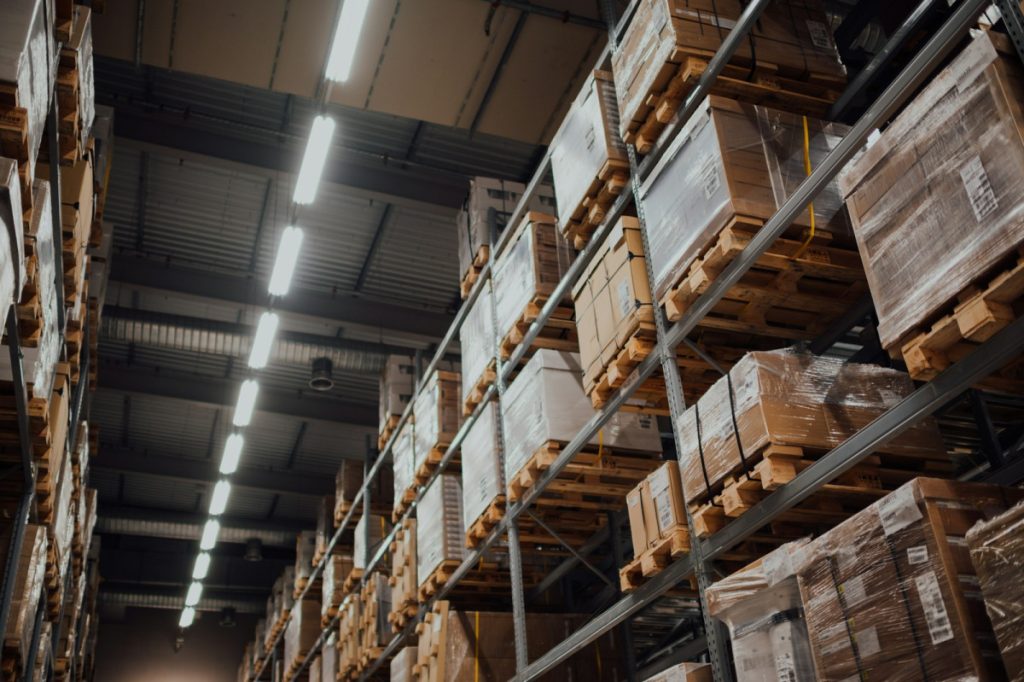
Warehouse management becomes increasingly challenging as businesses grow. The smooth movement of goods, efficient use of space, and worker safety all depend on having the right equipment in place. Mobility solutions play an essential but often overlooked role in this operational environment, providing the flexibility needed to respond to changing demands.
For expanding businesses, the challenges of material handling multiply with scale. Staff need to move heavier loads more frequently, often across larger floor spaces. Using the right industrial castors can help reduce manual handling risks and improve efficiency. Proper equipment selection supports safer and faster stock transfers across expanded sites. Well-specified mobility equipment gives storage units and trolleys the adaptability required for both quick reconfigurations and regular operations.
Selecting suitable wheels and castors requires careful consideration of load capacity, floor surface compatibility, and environmental conditions. When load capacity matches the intended use, equipment moves securely without risk of collapse. Choosing wheels for the correct floor surface helps prevent excessive resistance that strains staff. Assessing environmental conditions ensures materials will not degrade under warehouse conditions. These choices affect how easily goods are transported and keep maintenance predictable.
Warehouse Flow Challenges During Business Growth
Warehouse inefficiencies can become more pronounced as business operations expand. As companies grow, they often face challenges such as managing increased inventory volume, dealing with space constraints, and addressing manual handling issues. These obstacles can affect overall business performance if not addressed proactively.
Inefficient systems can lead to higher error rates, especially when existing layouts were designed for much smaller order volumes. Warehouse flow bottlenecks are frequently reported by companies experiencing rapid demand increases. This is particularly true when organisational systems are not updated to match new operational requirements.
The connection between growth phases and changing material handling needs is clear. What works for a startup rarely suits a rapidly scaling business. Coldene provides heavy duty castor wheels that can meet these changing requirements, allowing businesses to update their material handling approach without complete system overhauls.
Equipment Foundations for Scalable Warehouse Operations
Growing SMEs need several equipment categories to maintain efficient operations. Mobile storage units, adjustable racking, transport trolleys, and pallet trucks form the backbone of adaptive warehouse systems. At the core of these solutions are heavy duty castors, which enable the mobility needed for responding to changing needs.
The quality of caster heavy duty wheel components directly affects warehouse performance. As a business grows and handles more orders daily, the strain on equipment increases. Heavy duty wheels and castors should be able to withstand higher usage without failing. Industrial caster wheels are designed to support higher loads and frequent movement, making them a reliable choice for businesses scaling up operations.
Cost analysis for material handling equipment should consider not just the initial purchase price but also long-term operational savings. Quality heavy duty castors can help reduce downtime and lower ongoing maintenance costs. This supports warehouse productivity during periods of expansion and helps ensure consistent throughput.
Selecting Appropriate Heavy Duty Wheels for Your Application
Material options for heavy duty castors have a strong effect on performance in different environments. Polyurethane wheels help protect floors and produce less noise. This suits busy warehouses where a quieter atmosphere benefits staff and operations. These wheels are also recognized for their durability and ability to handle heavy loads.
Rubber absorbs shocks from bumps or uneven ground, making it suitable for surfaces that are not perfectly flat. Nylon resists wear and copes well with demanding conditions. It works well for areas exposed to heavy use or challenging temperatures. Choosing the right wheel material keeps equipment dependable even as operational demands change.
Weight capacity must match current and future load requirements. Warehouse case studies show that failing to upgrade castors as storage volumes increase often causes premature wear. For instance, a distribution centre reported trolleys tipping under added weight due to underrated castors. This led to operational disruptions until higher-capacity castors were installed.
Floor surface compatibility matters as well. Concrete floors require different wheel materials than carpeted areas or outdoor surfaces. The wrong match causes excessive wear, reduced mobility, and potential floor damage.
Implementing Zone-Based Warehouse Organisation
Well-planned zone design helps growing businesses achieve greater efficiency. The principle involves dividing warehouse space into functional areas based on product characteristics and operational needs. Fast-moving items should be placed in easily accessible zones, while seasonal or slow-moving stock can occupy more remote areas.
When mobile storage racks and picking trolleys are fitted with heavy duty castors, warehouse staff can shift entire setups as new requirements arise. For instance, when a business introduces a seasonal product, staff can roll existing racks rather than dismantling fixed storage. During peak times, workers can reposition trolleys to create temporary work zones.
Effective zoning strategies should consider product velocity and access frequency. A UK distribution company applied a system where products were categorised as A (fast-moving), B (moderate turnover), and C (slow-moving). This method reduced picking times and improved overall warehouse flow. ABC classification is widely recognized for streamlining inventory management.
Technology Integration for Smoother Material Flow
Affordable warehouse management systems tailored for UK SMEs provide inventory tracking, order management, and basic analytics. Systems like Peoplevox and OrderWise have been implemented by UK-based retailers and distribution centres. These solutions allow business leaders to monitor equipment needs and detect problems during periods of growth.
Using barcode or RFID systems with mobile material handling equipment helps create a connected warehouse environment. Staff can more easily locate equipment using scan data. This can help minimise wasted time searching across larger facilities. As warehouse operations grow more demanding, tracking systems can help prevent confusion about equipment location.
Maintenance Protocols for Operational Continuity
Preventative maintenance routines for heavy duty wheels and castors need to match equipment usage. Facilities with frequent trolley movement may schedule visual checks every week. Warehouses with lighter shifts might conduct inspections biweekly. Lubrication intervals should align with both usage rates and the manufacturer’s guidance.
Early warning signs of equipment failure include unusual noise, visible wear, and reduced mobility. Training warehouse staff to spot these indicators allows for timely intervention. Regular reporting of such issues enables teams to handle problems before they result in unexpected downtime or safety concerns.
Staff training requirements extend beyond basic operation to proper equipment handling. Teaching employees how to correctly load trolleys, navigate turns, and cross thresholds can help extend the life of heavy duty castors.