What Every Small Business Needs to Know About Asbestos
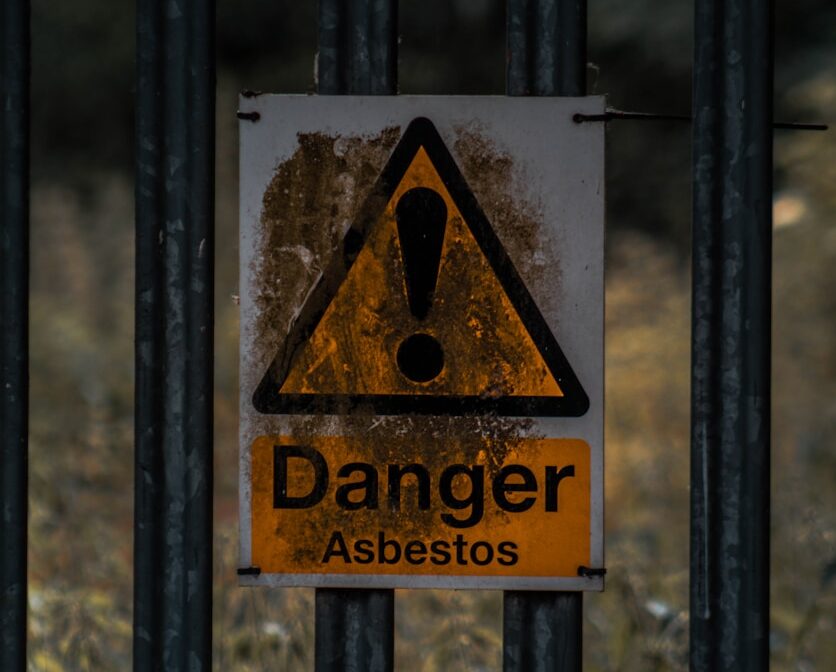
As a small or medium-sized enterprise (SME), your focus is often on growing your business, serving customers, and managing daily operations. However, one critical issue that often gets overlooked is asbestos awareness. While it may seem like a concern reserved for construction or industrial settings, asbestos can be present in a wide range of business environments, from office buildings and shops to warehouses and workshops. Understanding the risks associated with asbestos and knowing your responsibilities can help protect your employees, your customers, and your business.
What Is Asbestos and Why Is It Dangerous?
Asbestos is a group of naturally occurring fibrous minerals that were widely used in building materials for most of the 20th century due to their strength, insulation properties, and resistance to fire and chemicals. It was commonly found in roofing materials, ceiling tiles, insulation, pipework, wall panels, floor tiles, and fireproof coatings. Although the use of asbestos has been banned or heavily restricted in many countries, it still exists in many buildings constructed before the year 2000.
The real danger with asbestos lies in its fibers. When asbestos-containing materials are disturbed, during renovations, repairs, or even routine maintenance, tiny fibers can be released into the air. These fibers, when inhaled, can cause serious and often fatal illnesses, including mesothelioma, lung cancer, and asbestosis. These diseases often take decades to develop, but they are entirely preventable through awareness and proper handling.
Why SMEs Should Be Concerned
Many SMEs operate out of older premises, lease buildings from landlords, or carry out minor renovation work without realising the risks involved. Because of this, small businesses can inadvertently expose staff, contractors, or customers to asbestos. Unlike larger organisations with dedicated health and safety teams, SMEs may not always have the resources or expertise to identify and manage these risks.
In addition to the health dangers, failing to manage asbestos properly can result in severe legal and financial consequences. Many countries have strict health and safety regulations concerning asbestos management. If your business is found to be non-compliant, you could face hefty fines, legal action, reputational damage, and even closure of your premises until the issue is resolved. For SMEs, such consequences can be devastating.
Common Situations Where Asbestos Risks Arise
You don’t need to be in construction to be at risk. Common scenarios where SMEs might encounter asbestos include refurbishing older offices, installing new electrical or HVAC systems, conducting routine maintenance, or leasing buildings without an up-to-date asbestos survey. If your business premises were built before the 2000s, and no survey has been carried out, you should assume asbestos could be present.
Even simple tasks like drilling into walls, replacing ceiling tiles, or fixing a pipe can disturb asbestos-containing materials. Without the proper precautions, this can put anyone on the premises at risk, including tradespeople, employees, and even visitors.
What Actions Should SMEs Take?
The first step is to identify whether asbestos is present in your building. If your premises were built before 2000 (or earlier, depending on local regulations), you should commission a professional asbestos survey. There are two main types of surveys: a management survey, which identifies asbestos-containing materials during normal occupation of the building, and a refurbishment/demolition survey, which is required before any significant building work takes place.
If asbestos is found, you are legally required to create an asbestos management plan. This plan should detail the location and condition of any asbestos, how it will be managed, and who is responsible for overseeing its safety. In some cases, asbestos can be left in place and managed safely; in others, it may need to be removed by a licensed contractor.
Training is also essential. Any employee or contractor who may come into contact with asbestos, even indirectly, should receive asbestos awareness training. This training ensures that everyone understands the risks and knows how to avoid disturbing asbestos materials. Boss Training offer a UKATA asbestos awareness course online as well as in-person asbestos awareness training to keep you and your employees safe.
Finally, it is important to maintain accurate and up-to-date records. This includes keeping copies of asbestos surveys, management plans, training certificates, and any communications with contractors or landlords regarding asbestos risks.
Taking Responsibility Today to Prevent Tragedy Tomorrow
Asbestos may feel like a problem from the past, but it remains a present danger in many workplaces, especially for SMEs that may not have considered it before. By taking simple, proactive steps, you can protect your people and your business from the hidden risks that asbestos poses.
Understanding your responsibilities isn’t just a regulatory requirement, it’s a moral and practical necessity. Health and safety should be a priority no matter the size of your company. Creating a culture of safety doesn’t have to be complex or expensive, but ignoring the issue can come at a very high cost.
Whether you’re planning building work, leasing a new office, or simply want to ensure compliance, now is the time to assess your asbestos risk. Don’t wait for a health scare, legal issue, or regulatory inspection to take action.