A Small Business Guide to Sustainable Waste Management in 2025
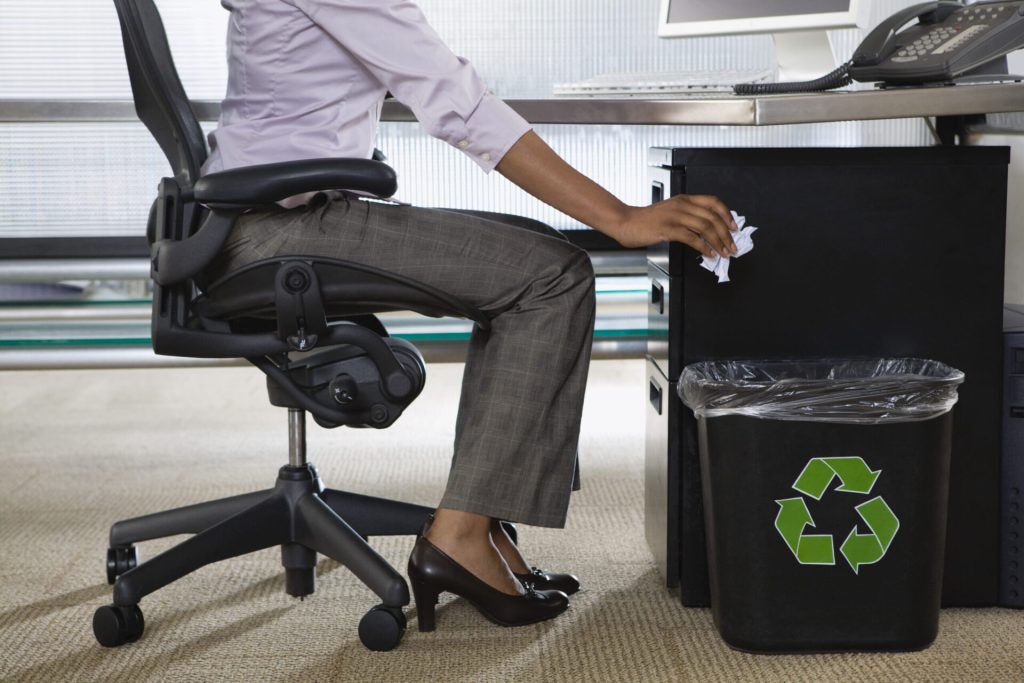
Sustainability is no longer a “nice to have” – it’s a core part of modern business strategy. With consumers, employees, and partners all expecting more from the brands they support, small businesses in the UK have a real opportunity to lead the way in responsible, efficient waste management.
Whether you’re a local retailer, a hospitality venue, or a growing e‑commerce brand, managing your waste more sustainably can save money, reduce environmental impact, and strengthen your reputation.
Know the Rules, Know Your Role
Before you can improve, it’s important to understand what’s expected of you as a business owner in 2025.
Your legal duties
Under UK law, all businesses must take responsibility for the waste they produce. This includes storing it securely, using licensed carriers for disposal, and keeping records of waste transfers for at least two years. The rules apply whether you’re running a large warehouse or a small café with a single bin.
Failing to comply can result in hefty fines – but more importantly, it can harm your business’s public image in an increasingly sustainability-focused world.
Types of waste to consider
Small businesses typically produce a wide mix of waste, including:
- General refuse
- Paper and cardboard
- Food waste
- Packaging materials
- Electrical or hazardous items
Each type needs to be handled correctly. Separating waste properly can also help reduce disposal costs, as recyclables are often cheaper to process than mixed waste.
The rise of commercial recycling
In 2025, commercial recycling is more accessible than ever. Most waste management providers now offer tailored services for SMEs, allowing you to recycle cardboard, plastics, glass, and food waste with minimal hassle. Some providers also offer data tracking, so you can measure improvements and even report on sustainability performance in your marketing or funding applications.
Being seen to recycle properly isn’t just about ticking boxes – it demonstrates values, responsibility, and care for the community you operate in.
Building a Smart, Sustainable System
Once you’ve covered the basics, the next step is setting up a waste system that fits your day-to-day operations — simple, cost-effective, and easy for your team to follow.
- Start with a waste audit
Take stock of what you throw away in a typical week. Are packaging, food scraps, or paper the main culprits? Knowing this helps you target the right areas for improvement.
- Cut down where you can
Reducing waste at the source is always best. Consider:
- Using less packaging or switching to reusable options
- Going digital to avoid unnecessary printing
- Buying in bulk to minimise waste
Even small swaps — like refillable cleaning products — can lead to long-term savings.
- Make it easy to recycle
Set up clear, well-labelled bins and put them where staff need them. A simple system encourages consistent habits. Train your team regularly to keep everyone on the same page.
- Work with a good provider
Pick a licensed waste company that understands SME needs. They should offer flexible collections, the right containers, and ideally, recycling and sustainability reports to support your goals.
Going Beyond Compliance – Making Waste Work for You
Responsible waste management isn’t just about avoiding fines – it can be a real asset to your brand, your bottom line, and your long-term goals.
Boost your brand reputation
Customers are increasingly making buying decisions based on ethics and sustainability. Showing that your business recycles, reduces waste, and works with environmentally conscious partners can give you a real competitive edge.
You don’t have to be perfect – but being transparent about your efforts and progress builds trust and loyalty. Simple measures like reducing waste and optimising energy use not only deliver environmental benefits but also foster customer trust and drive long-term profitability.
Save on long-term costs
Waste management doesn’t have to be expensive. In fact, reducing your overall waste output – especially bulky or mixed materials – often leads to lower disposal costs.
A well-run system also avoids inefficiencies: fewer overflows, less contamination, and less time spent correcting mistakes.
Work towards zero waste
More SMEs are now aiming for “zero waste to landfill” – a goal once reserved for big corporates. While it may take time to get there, setting the ambition can guide better decisions across all areas of your operation.
Look for opportunities to:
- Reuse materials where possible
- Recycle or compost what you can’t reuse
- Only send to landfill as a last resort
It’s also worth talking to your suppliers about their packaging and take-back schemes. Many will work with you to reduce overall waste or switch to greener alternatives.
Use data to drive decisions
If your provider offers waste reporting, use it. Tracking how much waste you produce – and how much gets recycled – helps you see where progress is being made and where further improvements are possible.
You can even include this data in sustainability statements, tenders, or funding applications to show you’re serious about responsible business.
In 2025, sustainable waste management is not just a responsibility – it’s a real opportunity for small businesses.
By understanding your obligations, setting up a practical internal system, and partnering with the right providers, you can save money, reduce your environmental footprint, and show customers that your business is built on solid, forward-thinking values.
—
Photo by Creatas Images on Freeimages.com