Key Considerations in Effective Demolition Projects
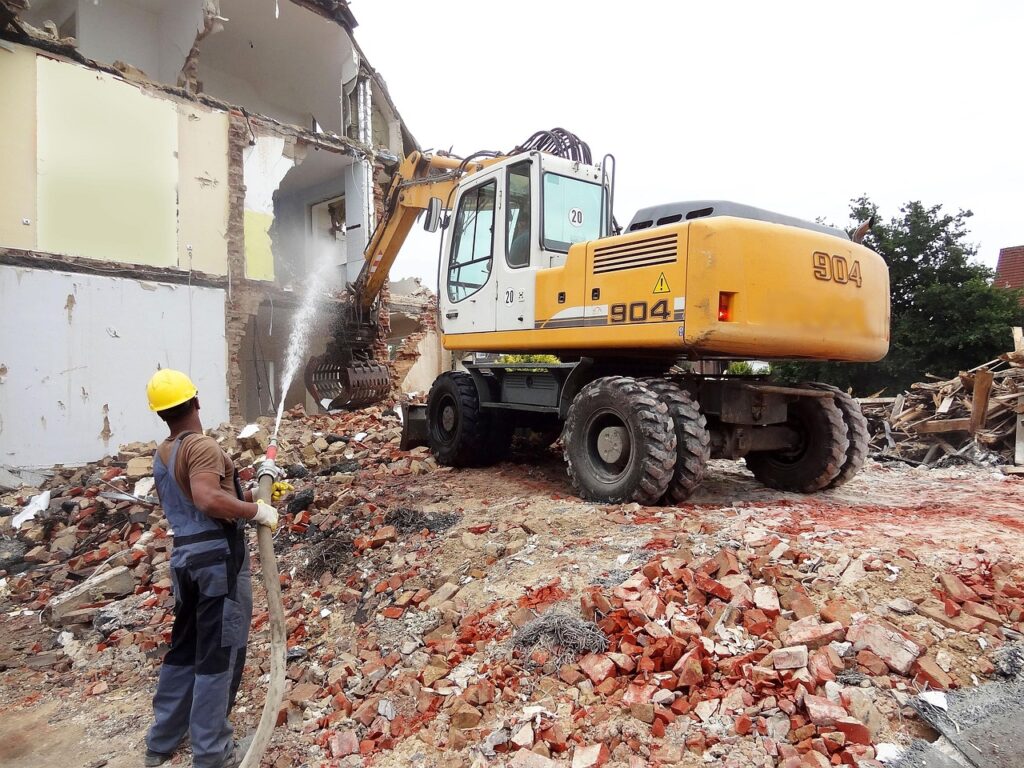
Whether small-scale renovations or massive industrial clearances, demolition projects require a strategic approach to ensure successful outcomes. Various factors contribute to the efficiency and safety of these undertakings, from pre-demolition assessments to post-demolition site management. Below are some critical considerations to bear in mind.
Pre-Demolition Assessments and Structural Analysis
A thorough structural analysis is a critical first step in any demolition project. Evaluating the integrity of the building and understanding how it will respond to demolition techniques can prevent unexpected collapses or structural failures.
Additionally, soil testing and geological assessments may be necessary when dealing with underground structures or foundations. This proactive approach helps tailor demolition methods to the unique characteristics of the site. For reliable demolition services with a strong track record, companies like Bradley Group Demolition can be invaluable partners in ensuring safety, efficiency, and regulatory compliance throughout the project.
Community and Stakeholder Engagement
Effective demolition projects consider not only the site itself but also the surrounding community. Engaging with stakeholders, including nearby residents, businesses, and municipal authorities, can help prevent conflicts and ensure that local concerns are addressed.
Providing timely updates, creating noise and dust mitigation plans, and establishing clear communication channels demonstrate a commitment to responsible demolition practices. This proactive engagement can significantly enhance a project’s reputation and acceptance.
Technological Integration
Modern demolition projects increasingly benefit from technological advancements. Utilizing drones for site surveys, 3D modeling software for planning, and automated machinery for precision demolition are becoming industry standards.
These technologies offer several advantages, including improved accuracy, enhanced safety, and more efficient resource management. Staying updated with emerging tools can offer a competitive edge and streamline the demolition process.
Environmental Remediation and Restoration
Beyond handling hazardous materials, effective demolition projects also focus on environmental remediation and site restoration. This may include soil remediation, water quality monitoring, and replanting vegetation to restore natural habitats after demolition.
Implementing eco-friendly practices and developing sustainable land use plans demonstrate a commitment to minimizing the environmental footprint of demolition activities.
Emergency Preparedness and Contingency Planning
Even the most meticulously planned demolition projects can face unforeseen challenges. Developing robust contingency plans for potential emergencies, such as structural collapses, equipment failures, or severe weather conditions, is essential.
Having trained personnel and resources available to address emergencies can minimize damage, protect workers, and prevent costly delays. Regularly updating these plans based on site-specific assessments ensures readiness throughout the project.
Workforce Management and Training
An often overlooked aspect of demolition projects is workforce management. Providing comprehensive training and ensuring workers are adequately skilled for specific tasks is crucial to maintaining safety and productivity.
Promoting a culture of continuous learning, where workers are encouraged to stay informed about the latest safety standards and techniques, can improve overall efficiency. Effective leadership and well-coordinated teams are indispensable for successful project execution.
Site Cleanup and Post-Demolition Evaluation
The end of a demolition project does not mark the end of responsibilities. Proper site cleanup, including removing debris, ensuring environmental standards are met, and preparing the land for future use, is a critical phase.
Additionally, conducting post-demolition evaluations to assess the project’s success, identify areas for improvement, and gather lessons for future projects can enhance overall performance. This reflective approach contributes to the continual improvement of demolition practices.
Conclusion
Effective demolition projects go beyond the immediate task of tearing down structures. Companies can ensure that projects are completed safely, responsibly, and efficiently by focusing on structural analysis, technological integration, stakeholder engagement, workforce management, and post-demolition evaluation. Adapting to new trends and maintaining a commitment to excellence are essential for ongoing success in the demolition industry.