How smartphones are revolutionising the gaming experience
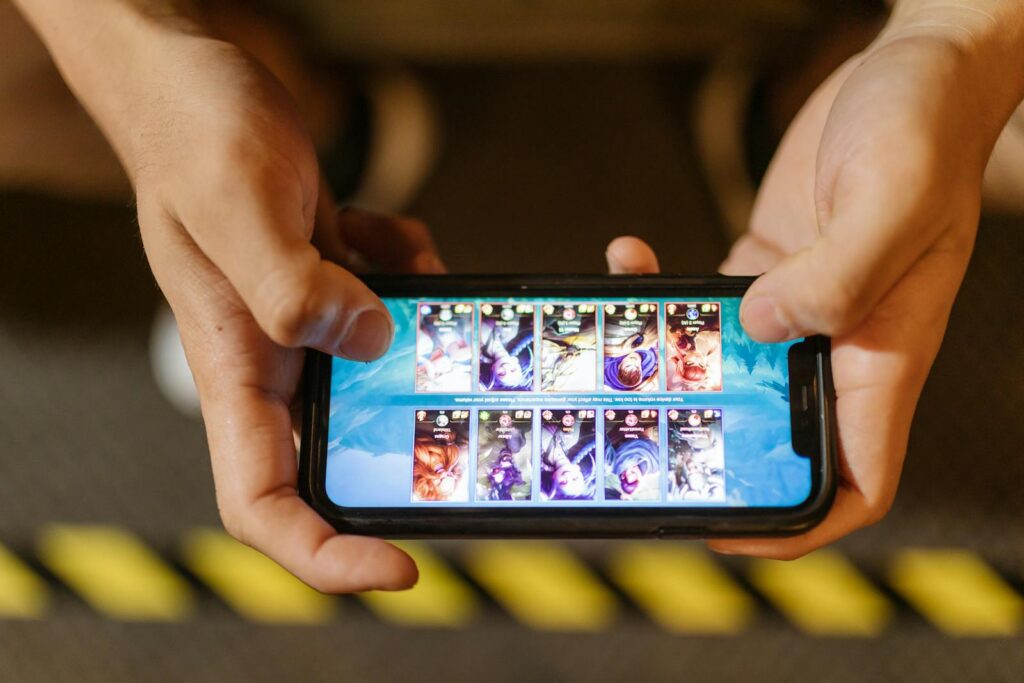
In recent years, smartphones have transformed the gaming industry as consumers look for accessible, immersive experiences.
The UK gaming market, the largest in Europe, has witnessed significant growth, with mobile gaming playing a huge part in this growth. In 2023, UK consumers spent approximately £1.52 billion on mobile gaming, up from £1.43 billion the previous year.
Here’s how smartphones are changing the gaming experience.
Advancements in mobile hardware and graphics
Modern smartphones boast powerful processors and GPUs, delivering console-like graphics and seamless gameplay.
Devices such as the Asus ROG Phone 8 Pro feature high-refresh-rate screens and advanced cooling systems, enhancing the gaming experience by reducing latency and preventing overheating.
The rise of mobile gaming apps
The diversity of gaming applications has expanded, ranging from casual puzzles to complex RPGs. App stores have democratised game distribution, enabling indie developers to reach global audiences.
This surge in mobile gaming has contributed to the UK’s gaming industry’s growth, which generated £10.7 billion last year.
Integration of augmented reality (AR) and virtual reality (VR)
AR and VR technologies are transforming mobile gaming by offering more immersive experiences.
AR brings virtual elements into real-world environments, while new VR accessories make games feel more realistic. These advancements are expanding the boundaries of what’s thought possible on mobile platforms.
Cloud gaming and streaming services
Cloud gaming platforms allow high-quality games to be played on smartphones without the need for powerful hardware.
This development means gamers can enjoy a vast library of games on the move.
Social connectivity and multiplayer experiences
Smartphones have transformed social gaming by fostering global connectivity and delivering dynamic, interactive experiences. Multiplayer modes connect players worldwide in real time, encouraging both collaboration and competition.
In-game chat – via text or voice – adds to the immersion, enabling effortless communication during gameplay. Social media integration takes this further, letting gamers share achievements, invite friends, or stream directly from their devices. This helps create thriving online communities.
Monetisation strategies in mobile gaming
Mobile games now employ diverse monetisation strategies, balancing accessibility with substantial developer revenues. In-app purchases remain a top choice, enabling players to buy virtual items, unlock enhancements, or access exclusive content to personalise their experience. Advertisements are another popular model, offering free gameplay in exchange for ad views, often integrated seamlessly through rewarded ads or unobtrusive banners.
Subscription services are gaining momentum, providing players with ad-free experiences, premium content, or exclusive features for a recurring fee. This is a great option for gamers who want uninterrupted gameplay.
Some genres like online slots use highly tailored approaches, combining microtransactions for extra spins or premium perks with strategically placed ads to keep players engaged without sacrificing accessibility.
The rapid rise of online slots is fuelled by their quick play sessions, varied themes, and mechanics designed specifically for mobile platforms.
Final thoughts…
Smartphones have revolutionised the gaming experience by integrating advanced hardware, diverse applications, immersive technologies and innovative monetisation strategies. As technology continues to evolve, the mobile gaming landscape is poised for further transformation, offering gamers increasingly sophisticated and accessible experiences.