The Major Developments Changing Dentistry That Professionals Need To Know About
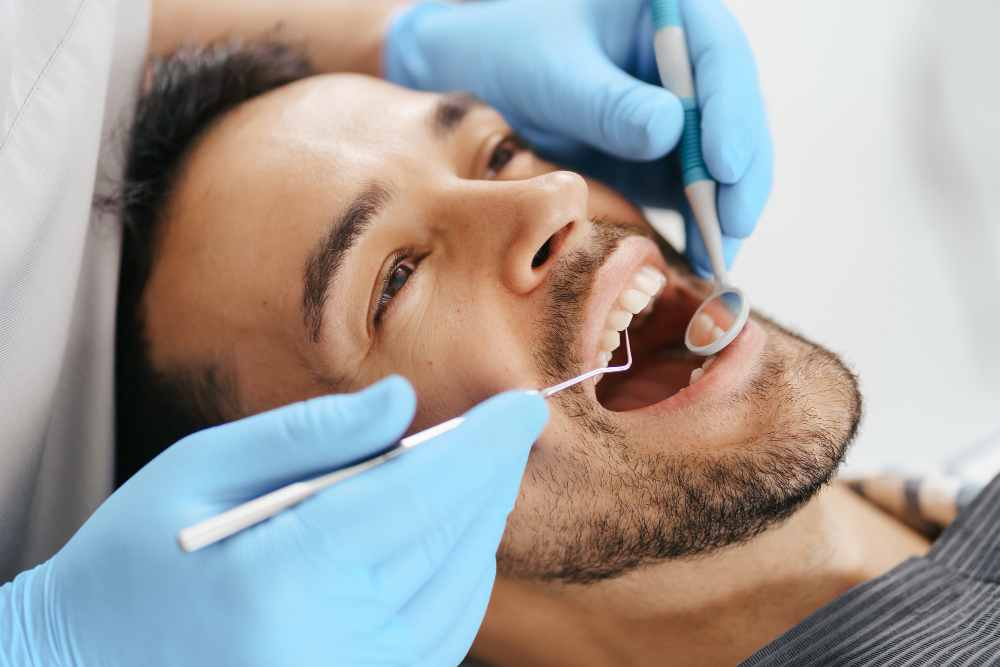
From technology innovations and regulatory shifts to patient expectations – seismic changes are constantly reshaping the terrain of professional dentistry. Missing these key evolution markers risks skills gaps that will undermine your ability to keep up and can hurt your patients. This guide summarises the pivotal developments that all modern dental professionals must know about to uphold their excellent standards.
Leveraging Digital Dentistry Dynamics
State-of-the-art digital dentistry integrations are everywhere now – from computational treatment simulations and 3D anatomical imaging to robotic-assisted surgeries and custom-milled restorations. While digitisation promises to improve workflow efficiencies, traditional manual applications are still relevant. It’s important to balance them both and take advantage of what each one has to offer.
Blend Hybrid Skills
You need to ensure that everyone is proficient with the tools they need along the entire digital workflow – from intra-oral scanning competencies through post-processing skills to flawless final restoration fitting techniques. But you should also nurture artisanal craft honed manually through layered cosmetic build-ups, and direct patient face-to-face communications that clearly explain treatment pathways that have been augmented digitally. Technology supports skills and it will never fully replace human ingenuity, which still has the edge when you harness both ongoing forwards.
The Ability To Learn Virtually
Remote web-based learning previously hampered dentistry’s reliance on hands-on patient practicums. But immersive virtual reality (VR) dental training simulations using exact haptic feedback tools now allow for unparalleled experience development from anywhere! It’s cost-effective without having to rely on patient availability. It’s important to remember that web-based learning and dental courses can help in many areas. Postgraduate dentistry courses at the London Dental Institute can help to refine old skills and prepare dentists for new developments. Keep learning and keep pushing yourself!
Patient-First Communications Reign Supreme
Traditionally viewed clinically, dental patients now become participatory healthcare partners through transparent two-way communications. Better communications give a boost to overall experiences. Beyond getting a great outcome, improving your customer sensitivity through active listening, and offering preventative guidance are so important to earning patient trust and loyalty. You should always put people first.
Holistic Care Builds Your Referrals
Technical elements obviously contribute to good treatments. But when patients feel undisrupted calm through those vulnerable moments, they’re going to feel more confident in coming back and referring friends. Champion patient-first tactics like pre-procedure relaxation discussions, using precision bonding and helping them with home care coaching that together provides holistic care experiences beyond clinical necessities. This will ultimately boost recommendations in the long term.
Heightened Patient Aesthetic Expectations
With Instagram-era social media normalising “perfection” everywhere you look, patient aesthetic expectations continue to climb dramatically. A lot of people will no longer tolerate unsightly older compromises like metal fillings, dark discoloured composites, or ill-fitting denture appliances. Assume nothing when it comes to what people will accept – people are only going to get more sensitive about how their teeth look.
Master Smile Design Principles
From imperceptible alignment tweaks and managed bleaching procedures to exquisite, layered porcelain – today’s discerning dental cosmeticians need to master a wide range of smile design principles. While the foundational indirect techniques still allow you to make significant improvements, you can incorporate artistic biomimetic augmentation to maximise lifelike aesthetics. When the less invasive options fall short of the desired cosmetic improvements, you can discuss a wide range of further options.
Automating Repetitive Administrative Duties
Running a thriving dental practice while juggling chairside commitments and managing multifaceted administrative functions can overwhelm anyone who’s taking on everything by themselves. It’s tough for smaller teams too, as anyone who’s worked in a dental practice will tell you that there are always going to be too many duties for just one day. Using process automation increases the capacity of everyone working there, which is only going to be good news for your practice.
Streamline Workflows Seamlessly
From automated patient appointment reminders and recall scheduling and inventory management suites to artificial intelligence-enabled diagnostic report coding/submissions– there are tech solutions for almost every element of your workflow. Audit the current duties that take your team the most time, then target software that can help you to free up everyone’s time.
Heightened Use Of Profitable Beauty Enhancements
While ensuring the best oral rehabilitation and preventative care capabilities are the foundation of any dental practice, expanded service lines delivering highly profitable elective cosmetic enhancements can diversify revenue streams. You can capitalise on aesthetic patient demand trends with advanced professional teeth whitening systems, new sports guard fabrications and innovative dental jewellery offerings.
Master Rules And Accreditations
From advertising standards regulations and inconvenient environmental waste handling codes to extensive infection control, radiation safety and reimbursement protocols – heavily legislated dental environments need to be maintained to make sure that they’re compliant with the Care Quality Commission (CQC). You don’t want financial penalties or embarrassing media scrutiny. Stay continually informed legislatively to keep everything running smoothly.