Safeguarding Success: The Crucial Role of Proper Product Storage for Businesses
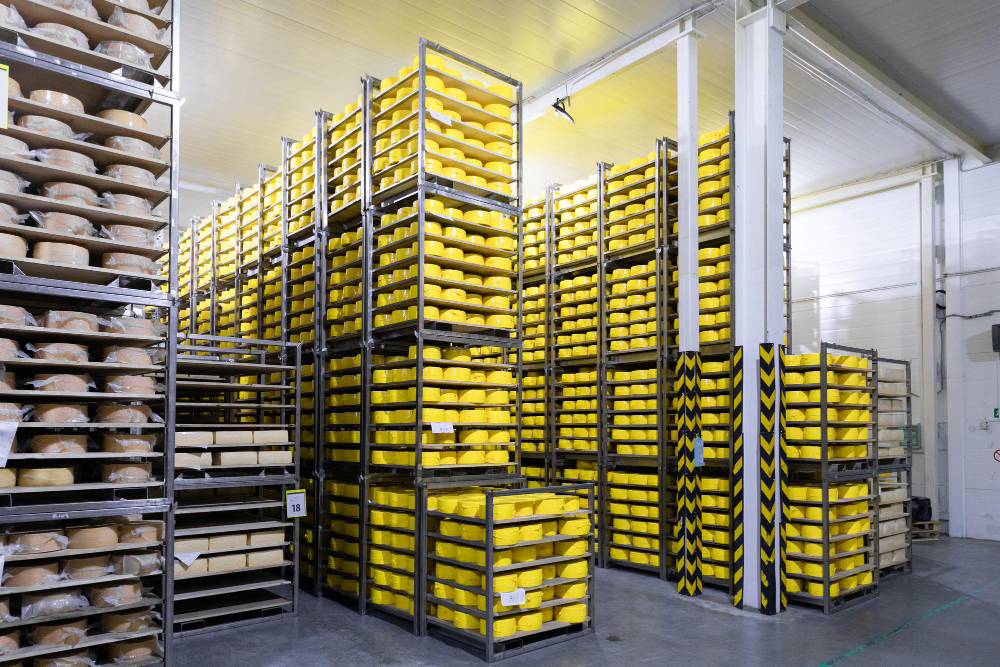
In the competitive landscape of modern business, success is often determined not only by the quality of products but also by the efficiency of operations. One often overlooked but crucial aspect of maintaining operational excellence is proper product storage. Whether you’re in manufacturing, retail, or any other industry, effective product storage can significantly impact your bottom line. In this article, we delve into the importance of proper product storage and explore strategies for businesses to ensure their success.
Understanding the Significance of Proper Product Storage
Preserving Product Integrity
When it comes to tangible goods, maintaining product integrity is paramount. Products that are stored improperly can suffer from damage, degradation, or even spoilage. This can lead to financial losses due to the need to replace damaged products, decreased customer satisfaction, and potential reputational damage. Proper storage conditions, such as temperature control, humidity control, and protection from physical damage, can prevent these issues and help preserve the quality of your products.
Efficient Inventory Management
Efficient inventory management is the cornerstone of streamlined operations. Proper product storage plays a critical role in this aspect. A well-organised storage system allows for easy tracking and retrieval of products. This, in turn, reduces the time and effort required to manage inventory, fulfil orders, and replenish stock. Implementing a logical storage layout and utilising inventory management software can optimise the entire process, minimising errors and improving overall efficiency.
Tailoring Storage Strategies to Product Types
Different products have distinct storage requirements. Understanding these requirements is essential for designing an effective storage strategy.
Perishable Goods
For businesses dealing with perishable goods, such as food or pharmaceuticals, temperature control is non-negotiable. Cold storage facilities, equipped with precise temperature and humidity controls, are essential to prevent spoilage and maintain product safety. Regular monitoring and adherence to recommended storage conditions are vital to ensure these products remain viable until they reach the end consumer.
Fragile Items
Fragile products, like glassware or electronics, require special attention during storage. Adequate padding, protective packaging, and careful handling can prevent breakage and damage. Additionally, storing these items away from heavy traffic areas can reduce the risk of accidental collisions. Implementing a labelling system that clearly indicates fragility can also guide employees in handling these items correctly.
Bulk Storage
Businesses dealing with bulk materials, such as manufacturing or construction, often require spacious storage solutions. Proper organisation and stacking techniques can maximise the use of available space while ensuring ease of access. However, it’s essential to consider weight distribution and load-bearing capacity to prevent structural damage. Regular inspections of storage racks and shelving can help identify and address potential safety hazards.
Implementing Effective Storage Practices
FIFO and LIFO Principles
The First-In-First-Out (FIFO) and Last-In-First-Out (LIFO) principles are widely used inventory management strategies. FIFO ensures that older products are used or sold first, reducing the risk of product obsolescence. LIFO, on the other hand, can be advantageous when dealing with products with limited shelf life, ensuring that newer items are used first to prevent waste. Businesses can choose the principle that aligns with their product characteristics and goals.
Regular Audits and Maintenance
Maintaining an efficient storage system requires ongoing attention. Regular audits help identify discrepancies between recorded and actual inventory levels, reducing the risk of stockouts or overstocking. Furthermore, routine maintenance of industrial storage equipment, such as shelving units and climate control systems, can extend their lifespan and prevent unexpected breakdowns.
Employee Training and Safety Measures
Proper storage practices extend beyond the physical arrangement of goods. Employee training is essential to ensure that everyone understands the importance of correct storage procedures. This includes guidelines for stacking, handling, and labelling products. Additionally, implementing safety measures, such as providing personal protective equipment and establishing clear pathways, can prevent accidents and injuries in storage areas.
Conclusion
In the fast-paced world of business, every aspect of operations contributes to overall success. Proper product storage is not just a logistical necessity; it’s a strategic investment in maintaining product quality, optimising inventory management, and ensuring the safety of employees and customers. By tailoring storage strategies to different product types and implementing effective practices, businesses can safeguard their success and elevate their operational excellence to new heights.