
Why Manchester is combining next-day and same-day delivery
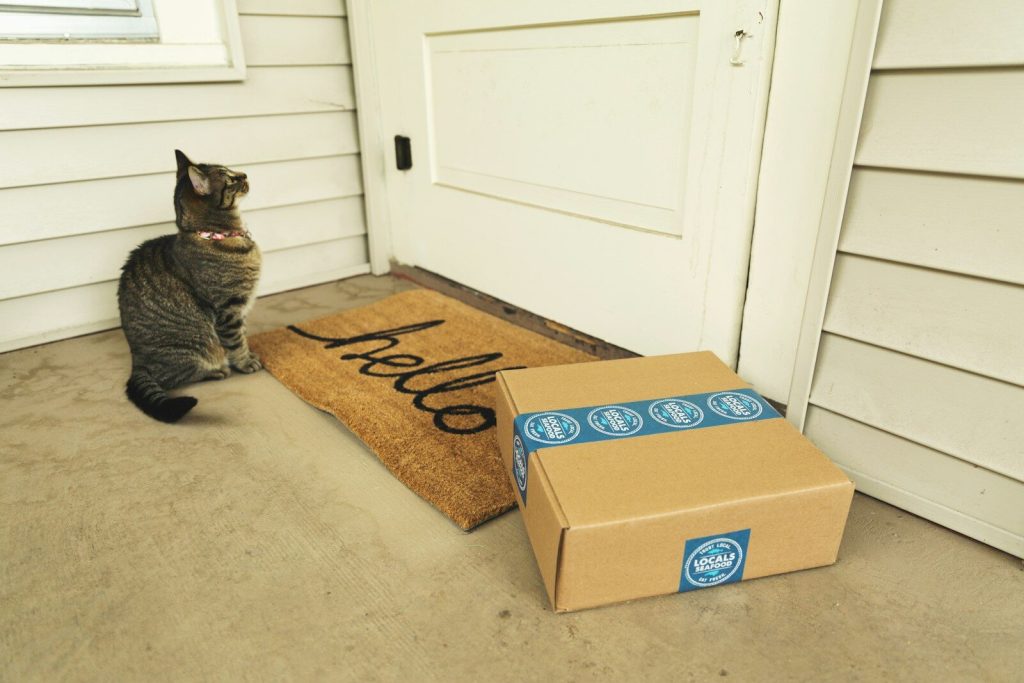
Across Manchester, operations teams are running two delivery rhythms side by side. Planned stock, consumables and scheduled replacements move on a next-day cycle, while urgent parts, documents and site materials go out within the same working day. Together, the two give managers a predictable baseline plus a fast lane for the moments that cannot wait.
This article looks at why that pairing suits so many Manchester businesses, how to decide which jobs belong in which lane, and what to put in place so both run from one clear process.
Next-day delivery gives planned work a dependable rhythm
Most of the deliveries a business sends or receives are known about in advance. Weekly consumables for a dental practice, replacement filters for a facilities team, stock transfers between two branches, spares for a planned maintenance visit. For this kind of work, a next-day service is a natural fit: book today, and the parcel arrives the next working day, ready for the shift or appointment it supports.
The real value is in the rhythm. When a site lead knows that anything booked by the afternoon will land the following working day, they can plan labour around it. Engineers are scheduled for the day the part arrives rather than the day after. Practice managers book procedures knowing the materials will be on the shelf. That predictability cuts the time people spend chasing, checking and rearranging.
It also suits the way many Manchester firms trade, sending to customers, branches and suppliers well beyond the city. Gophr, for example, runs its next-day delivery service across mainland UK.
Same-day delivery keeps urgent work moving
Some jobs cannot wait until tomorrow. A workshop has a vehicle on the ramp and the wrong part in the box. A contractor has a team ready on site but a fitting is missing. A legal team needs a signed document across town before close of business. In each case, the real consequence of waiting is the idle labour, the stopped job or the missed deadline that follows.
A same-day delivery service turns those moments into short interruptions rather than lost days. The situations that most often call for it tend to fall into a few clear groups:
- Stopped work: a missing part or tool is holding up a job that is otherwise ready to go.
- Appointments at risk: a clinic, practice or service team needs materials before a booked customer or patient arrives.
- Contractual deadlines: signed documents, samples or components are tied to an SLA, a handover date or a tender.
Because these triggers are specific, they are easy to recognise and easy to plan for. Teams that know their own list can act on it quickly instead of debating each case.
Running both lanes gives managers control over every delivery
Most businesses have both kinds of work in the same week, often on the same day. A facilities manager might send routine supplies to three sites on a next-day basis on Monday, then need a replacement lock at one of them within hours on Tuesday. Treating these as one decision about which lane each job needs, rather than two separate purchasing exercises, keeps planning simple.
For businesses comparing courier services in Manchester, the most useful question is whether both lanes can be booked, tracked and reviewed in one place. A single booking process means staff learn one routine. A single record of what was sent, when and how gives finance and operations the same view. Gophr, for instance, lets businesses book same-day delivery and next-day delivery from the same account.
That shared view also makes it easier to spot patterns. If the same urgent request keeps appearing, it may be a sign that the item could move into the planned lane with a small change to ordering.
A simple checklist sorts each job into the right lane
A short set of questions, asked at the point of booking, removes most of the guesswork:
- When is it needed? If the answer is the next shift or later, the next-day lane is usually right.
- What happens if it waits? If a delay idles people, stops a job or puts an appointment at risk, send it the same day.
- Is it tied to a commitment? Anything linked to an SLA, a contract date or a client handover deserves priority.
- Who is receiving it? Confirm someone will be there to accept it and that proof of delivery will be recorded.
- Where is it going? Cross-city urgent jobs suit same-day, while regional and national planned sends suit next-day.
Pinning this checklist next to the booking screen, or adding it to an internal ordering form, helps new staff make the same call an experienced manager would.
Clear routines make the combination work day to day
The checklist decides the lane. A few routines keep both lanes running smoothly across the team:
- Set a daily cut-off. Agree a time by which planned items must be booked so they go out on the next-day cycle.
- Name who can book urgent jobs. A short list of approvers keeps same-day bookings for genuine need and makes accountability clear.
- Keep delivery records in one place. Proof of delivery, booking times and recipients stored together make disputes and audits quick to resolve.
- Review the mix monthly. A quick look at which jobs went in which lane shows where ordering or stock levels could be adjusted.
None of these routines needs new systems. They build on habits most operations teams already have, and they make the combination of courier services Manchester businesses rely on feel like one coherent operation.
Start with the deliveries you already make
The quickest way to see how the two lanes fit your business is to look at what has already happened. Pull your delivery records for the last three months and mark each job as planned or urgent. Then, for every urgent job, note what it was protecting: a stopped task, an appointment or a deadline.
The result is a clear picture of which work belongs on a steady next-day rhythm, which genuinely needs same-day delivery, and where a small change to ordering could move a recurring urgent job into the planned lane.


