Workspace expert reveals 5 key tips for a productive environment
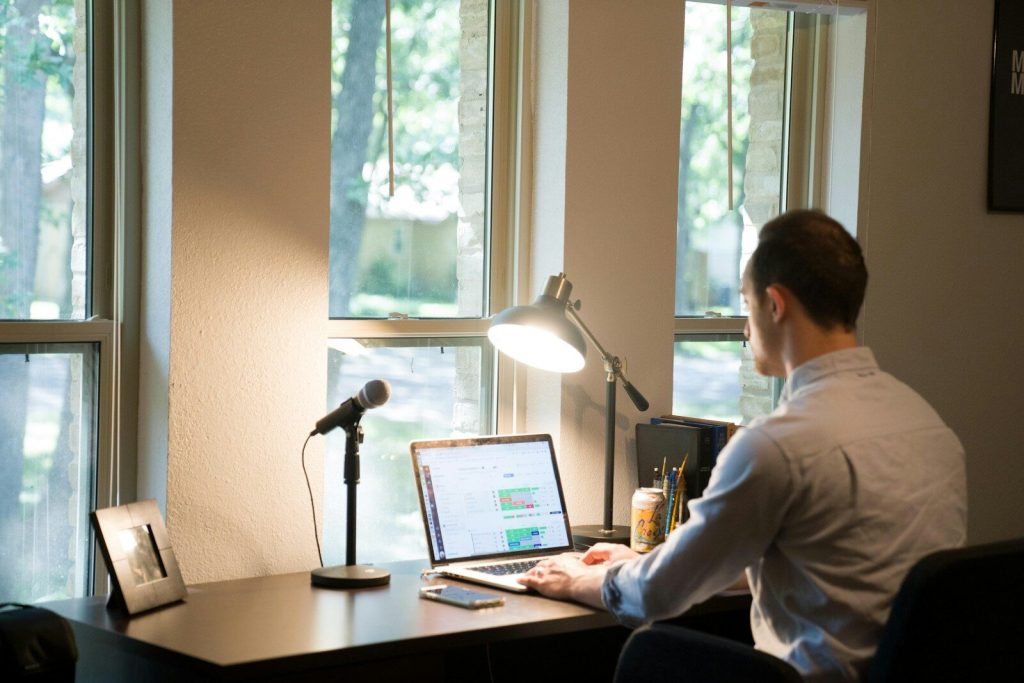
September brings the back-to-routine season, and for many, it’s time to refocus after the ‘summer slump’ at work, and for students, prep for a new academic year begins.
To help this transition, the experts at BizSpace have shared five tips for curating a productive workspace, whether this be at work, at home, or while studying.
- Colours of walls, flooring, and furnishings
The colour of office spaces can impact worker performance, influencing mood, energy levels, and even cognitive abilities. The psychology behind colours suggests that cool shades such as blue and green help to promote a calmer environment. In contrast, warm hues like yellow and orange can help spark creativity and energy, but could prove distracting in some cases.
Creating a balance is key, but embracing vibrancy is a great way to promote a more energetic environment, moving away from sterile, white walls and décor. For a productivity boost, add blues and greens into areas of the workspace that require concentration, and oranges and yellows into more collaborative, creative spaces.
When looking to elevate a workspace, colours can be easily introduced through a change in soft furnishings or flooring. Making a workspace feel more comfortable and welcoming can increase a sense of belonging, boosting satisfaction levels and productivity.
- Sufficient storage solutions
Cluttered desks and insufficient storage create both physical and mental barriers to productivity. When employees spend time searching for materials or feel hemmed in by disorganised spaces, it can introduce unnecessary stress and inefficiency to their workflow.
When designing a workspace, ensure there are sufficient personal storage options that keep essential items accessible while maintaining clear work surfaces. Storage solutions can vary by role, and finding what works best for each individual to maintain a tidy space is key.
- Plants and natural elements
Plants not only make offices look attractive but also enhance the employee experience by improving air quality and potentially boosting creativity and focus. As autumn nears and many will be spending more time indoors, it is a great time to add plants to a space and bring some outdoor energy inside.
There are some quick, simple ways to add a natural influence to a space. For example, invest in desk or floor plants, or even swap furniture for pieces made from natural woods and other elements to help the space feel more earthy and calm.
- Ergonomics and physical comfort
Another essential factor in helping promote workplace productivity is ensuring furniture is comfortable and functional, as poor ergonomics can be linked to discomfort, pain, and reduced output.
One way to implement this is to incorporate adjustable desks and chairs that allow people to work comfortably for longer periods and reduce physical strain.
Interestingly, online searches for “standing desk” hit an all-time global high in 2026, according to Google Trends.
Beyond chairs and desks, factors like monitor positioning, keyboard height, and adequate space all contribute to physical comfort. When people aren’t distracted by discomfort, they can focus fully on their work.
- Office layout and flexibility
There is a growing demand for flexible office layouts. In an office environment, this might involve having furniture or areas that allow employees to move between collaborative and quiet zones. Flexible spaces such as these help to give employees the option to work in environments that suit their working styles best, enhancing productivity.
For home offices, this could include alternating between a desk and another area of the home. This flexibility can help re-engage focus, while being comfortable can help minimise distractions.
Aman Parmar, Head of Marketing at BizSpace, adds,
“Having a well-thought-out workspace can be key to working at your best, or supporting employees to reach their potential. Steps such as ensuring plenty of natural light, ample storage to help keep spaces clutter-free, and flexible set-ups can go a long way towards a more productive, positive work environment.
“Changes can be implemented gradually, and even a few small, basic steps can make a big difference. Moving desks closer to windows for enhanced natural light, adding plants, and opting for an ergonomic chair are great foundational steps to curating a productive place to work.”