Practical Ways Businesses Can Improve Water Quality for Better Operations
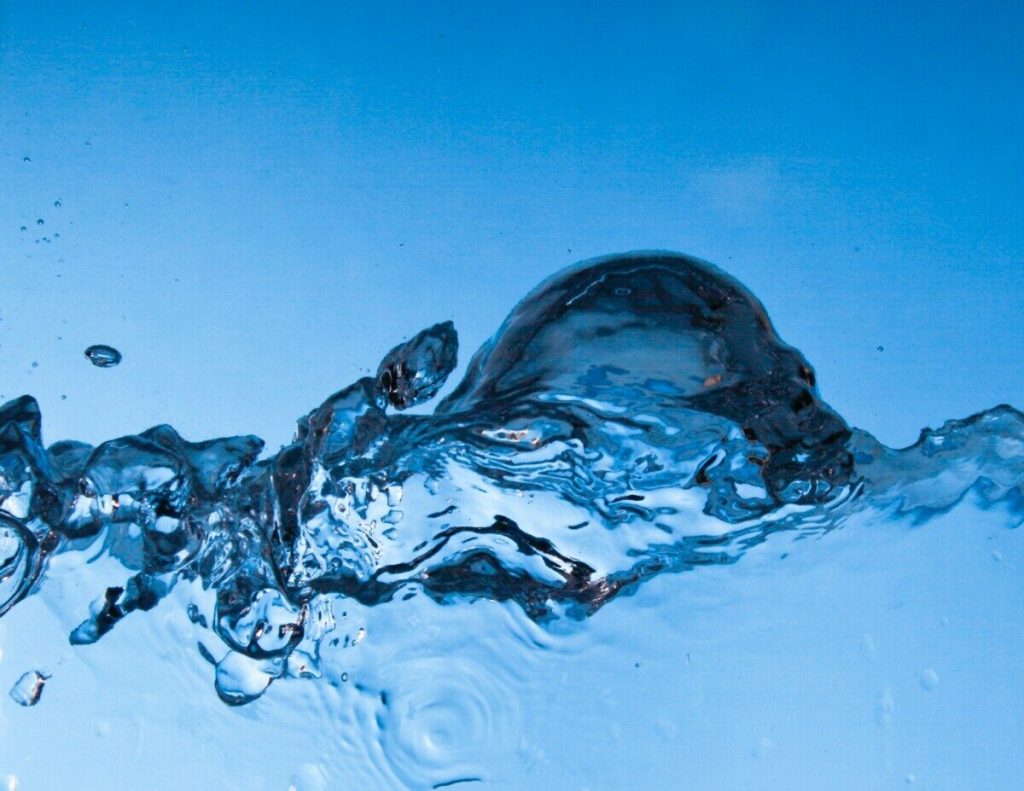
Water quality affects far more than many businesses realise. It influences equipment performance, product consistency, hygiene standards, and even energy costs. Poor-quality water can lead to scale build-up, corrosion, and contamination risks that disrupt operations and increase maintenance. These problems often develop slowly, making them easy to overlook until they become expensive to fix.
Improving water quality is a practical step that is imperative for supporting efficiency and reliability across daily processes. With the right approach, businesses can prevent issues before they arise and keep systems running smoothly. Keep reading to learn how to make meaningful improvements.
Test Water Regularly to Understand What You’re Dealing With
The first step in improving water quality is knowing exactly what is in the supply. Water composition varies depending on location, infrastructure, and usage patterns. Minerals, sediment, and chemical content can all affect how water behaves in a business setting.
Regular testing provides a clear picture of hardness levels, pH balance, and potential contaminants. Without this data, businesses are making decisions based on assumptions rather than facts. Testing should not be treated as a one-off task. Ongoing monitoring helps identify changes before they cause operational problems.
Understanding water characteristics allows businesses to match treatment methods to actual needs. This avoids overspending on unnecessary solutions while ensuring real risks are addressed. Reliable information forms the foundation of any effective water management plan.
Protect Equipment from Scale and Corrosion
Hard water is one of the most common operational challenges. Minerals such as calcium and magnesium build up inside pipes, boilers, and machinery. Over time, this scale reduces efficiency, restricts flow, and forces equipment to work harder than it should.
Corrosion creates a different but equally damaging issue. When water chemistry is unbalanced, it can gradually degrade metal components, leading to leaks, failures, and costly replacements. These problems often remain hidden until performance drops or breakdowns occur.
Installing appropriate treatment systems and maintaining them properly helps prevent these effects. Even simple filtration or conditioning measures can extend the lifespan of expensive equipment. Preventative action costs far less than reactive repairs and keeps operations consistent.
Improve Filtration to Maintain Clean Processes
Many industries rely on clean water for production, cleaning, or cooling. Basic filtration removes visible particles, but finer contaminants often remain unless systems are designed to capture them. These smaller impurities can affect product quality, especially in sectors such as food preparation, manufacturing, or healthcare.
Layered filtration systems provide better control by targeting different particle sizes and types. Sediment filters, carbon filters, and specialised membranes each serve a specific purpose. Together, they create a more stable and predictable water supply.
Clean water also improves cleaning processes themselves. When fewer impurities are present, detergents work more effectively and surfaces dry without residue. This leads to better hygiene outcomes and reduces the need for repeat cleaning cycles.
Maintain Water Systems with Consistent Servicing
Treatment systems only work well when they are maintained. Water filters can be reasonably effective but easily clog, settings drift, and components wear down over time. Without routine servicing, even well-designed setups lose effectiveness and allow problems to return.
Creating a maintenance schedule ensures inspections, replacements, and adjustments happen before performance declines. Staff should understand basic warning signs such as reduced pressure, unusual deposits, or changes in water clarity.
Documentation is useful here. Keeping records of servicing dates, test results, and system changes helps identify patterns and supports compliance where regulations apply. Maintenance should be treated as part of normal operations rather than an occasional fix. Reliable upkeep keeps water quality stable and prevents small issues from becoming operational disruptions.
Use Advanced Treatment Where Greater Purity Is Needed
Some businesses require a higher level of water purity, particularly where precision or hygiene is critical. In these cases, advanced treatment methods may be necessary to remove dissolved solids and microscopic contaminants that standard filtration cannot address.
Technologies such as reverse osmosis are used to produce highly purified water by separating unwanted molecules from the supply. This level of treatment supports processes that depend on consistency, such as laboratory work, specialised manufacturing, or high-standard cleaning environments.
Adopting advanced systems should be based on operational need rather than assumption. These methods require investment and proper management, but they can significantly improve reliability where water quality directly affects output. Choosing the right level of treatment ensures businesses achieve practical results without overcomplicating their infrastructure.