
The Workforce Supporting Our Aging Generation
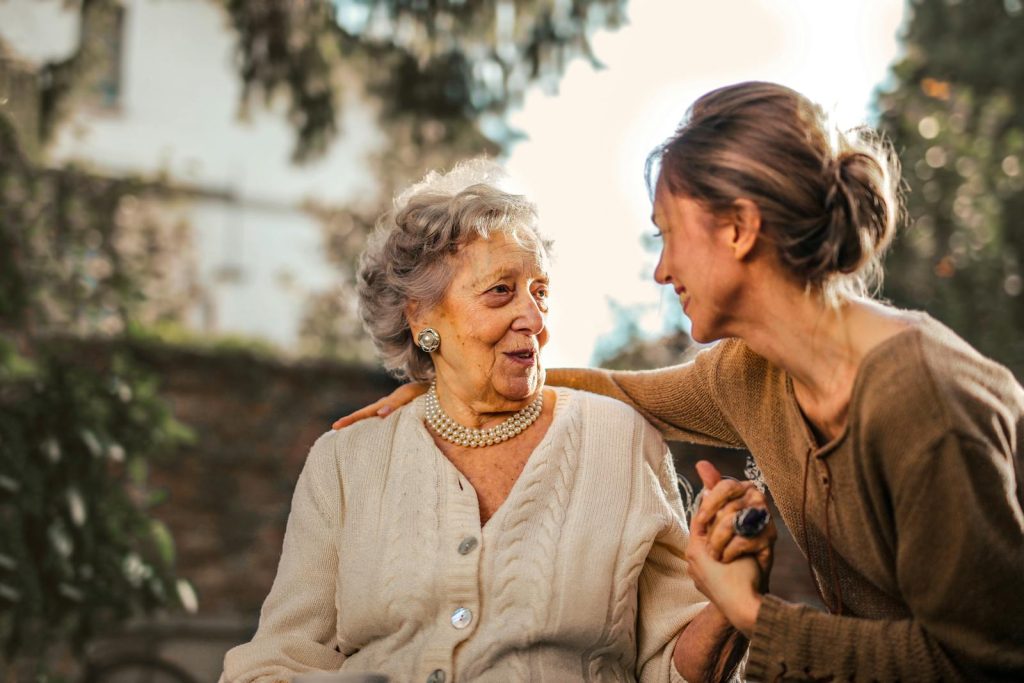
As the global population continues to age, the need for a robust and compassionate care workforce has never been more important. More people are living longer – often with chronic health conditions or reduced mobility – and therefore require support to maintain their independence and dignity.
This article shows that meeting this demand means building a workforce that is trained, dedicated, and equipped to handle the complex and evolving needs of older adults.
A Growing Demand for Care
According to demographic trends, people aged 65 and over are one of the fastest-growing groups in many countries. In the UK alone, this age group is projected to make up nearly a quarter of the population within the next decade. With this shift, the pressure on healthcare systems, social care providers, and family caregivers is rising significantly.
This expanding need places care work at the heart of our future workforce planning. It is not just about numbers – it is about creating sustainable, supportive environments where care professionals can thrive while delivering high-quality support to older individuals.
The Changing Face of Care Work
Gone are the days when care work was perceived as low-skilled or unchallenging. Today’s care professionals require a broad skill set, from medical knowledge and emotional intelligence to strong communication and problem-solving abilities. Many are responsible not just for physical care, but for helping clients manage complex medical conditions, stay mentally engaged, and maintain social connections.
Technology is also transforming the way care is delivered. From remote health monitoring to digital scheduling tools, care workers must stay up to date with new systems while continuing to provide personal, empathetic support.
Valuing the People Behind the Work
One of the biggest challenges in supporting our aging population is recruiting and retaining talented, compassionate individuals in care roles. For too long, these professionals have been undervalued, despite their essential contribution to society.
Better pay, training opportunities, and clear career progression pathways are key to ensuring that care work is seen as a rewarding, long-term profession. Equally important is a supportive work environment where staff feel respected and listened to. This not only benefits employees but also improves the consistency and quality of care for clients.
Organizations that recognize and nurture their staff play a vital role in shaping the future of care. For example, those interested in meaningful roles in the sector can explore Alina Homecare vacancies, which highlight positions across a range of care services and regions, offering opportunities to grow within a values-led company.
The Role of Training and Education
Education is central to empowering the workforce that supports our aging generation. Whether it’s through in-house training, apprenticeships, or formal qualifications, care workers must be given the tools and confidence to perform their roles effectively.
Continuous professional development also helps care workers adapt to changing standards and best practices. This ongoing learning not only improves outcomes for the individuals they support but boosts morale and job satisfaction among staff.
A Collective Responsibility
Supporting older adults is not solely the responsibility of professional caregivers. Families, communities, and policymakers must all play a role in building a more age-inclusive society. Community initiatives that tackle loneliness, promote mobility, or support unpaid carers can all lighten the load on the formal care system.
At the same time, policies that prioritize social care funding, improve employment conditions, and encourage young people to consider careers in the sector are essential if we are to meet future demand.
Looking Ahead
The care workforce is the backbone of support for our aging population. As we look to the future, investment in people – through fair pay, training, and respect – is the key to creating a sustainable care system. By valuing those who care, we honour the dignity and worth of every older individual in our communities.


