Office Design Trends: How to Upgrade Your Workspace for the Future
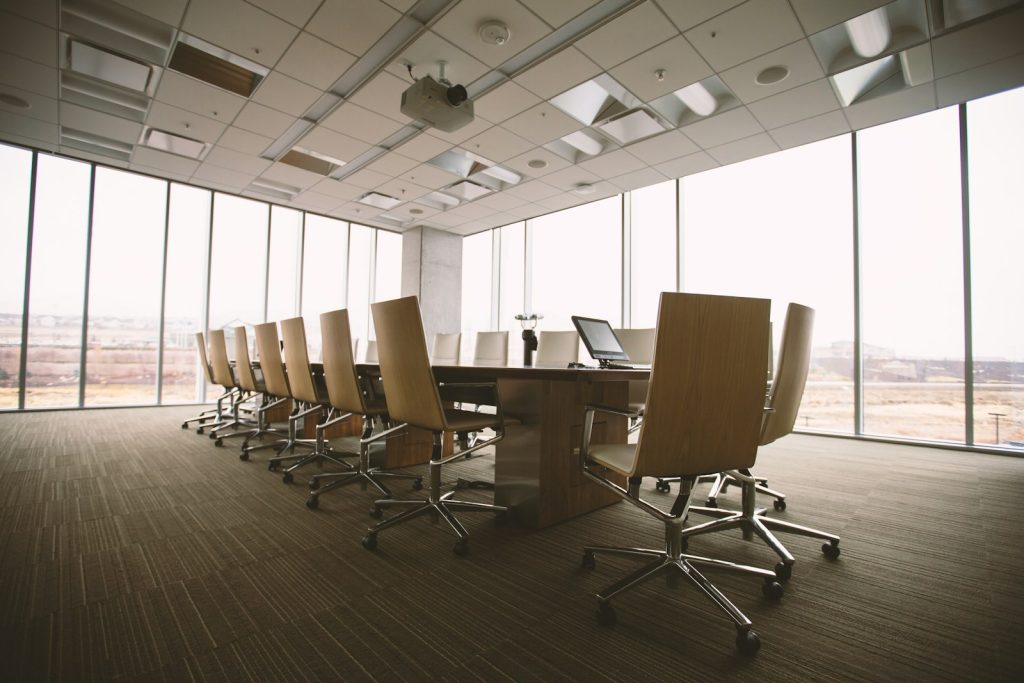
With hybrid work models becoming the norm and technology advancing at a significant pace, the modern office must now be more than just a place to work. Today’s office spaces must be flexible, intelligent, nurturing, and future-focused, with a forward thinking design that fosters productivity, collaboration, and employee wellbeing.
Whether you’re considering a full scale office renovation or a modest refresh, read on to learn how to transform and futureproof your office space.
Techy Workspaces
Intelligent office features are no longer a luxury: in 2025, they’re expected. Technology is being woven into the fabric of modern office design as a way to streamline operations and create seamless working environments.
Smart lighting and climate systems are one of the easiest ways to jump on the tech trend. These adaptive tools use sensors to adjust your light levels and room temperature based on the office’s occupancy and the time of day. Not only is this far more efficient in terms of energy costs, with sustainability being an increasingly important consideration for forward-thinking companies, but it also maintains a comfortable office environment.
Equally, ergonomic tech is on the rise. Sit stand desks that track usage patterns and chairs that are designed to support posture are just a few parts of a broader movement towards healthier work habits. Futureproof offices prioritise employee wellbeing through tech-enhanced environments that encourage movement, comfort, and focus.
Wellness as a Design Priority
Workplace wellbeing is a central feature of modern office design. From mental health to physical comfort, supporting employees’ overall wellness has been proven to directly impacts their job satisfaction, engagement at work, and productivity.
Nature Inspired Interiors
One of the most powerful trends reshaping office environments is biophilic design. By bringing natural elements indoors through living walls, abundant greenery, and natural light, you can create a calming atmosphere that has been proven to reduce stress and boost concentration.
Spaces for Recharging
Wellness rooms are another leading trend in 2025. These quiet, designated areas for staff to take a break, meditate, or access support, particularly in high-pressure work cultures, are an essential retreat offering essential respite which can also help to prevent burnout.
For offices that are short on floor space, enlisting a mezzanine floor installation company to install a raised platform in your office can enable you to make use of your vertical space, enabling you to add a wellness area without sacrificing valuable desk or meeting room real estate. Whether your wellness room is used for mindfulness, yoga, or quiet reflection, mezzanines are an innovative way to integrate wellness into the workspace.
Designing for Agility
The traditional layout of fixed desks and enclosed meeting rooms is giving way to dynamic, multi-use spaces. As hybrid and remote work become standard, offices are being reimagined to accommodate a more fluid mode of working.
Hot desking is one prominent shift. Rather than allocating a desk to every employee, flexible seating arrangements allow people to choose where they work during their in office days. This not only maximises space but also supports collaboration, as team members can sit together based on the day’s priorities.
Futureproof offices are also investing in adaptable meeting areas. With the surge in virtual collaboration tools like Microsoft Teams and Zoom, meeting spaces must be ready for both face-to-face and remote participants. Modular rooms with movable partitions, mobile furniture, and acoustic panels that can be reconfigured on demand are all ways of ensuring your office can pivot easily to meet the workplace’s changing needs.
Image Source: Unsplash