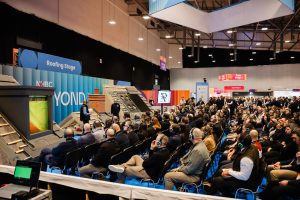
Essential Steps for Organising a Successful Event

As exciting as event planning can be, it can also feel overwhelming, and the pressure to pull things off without a hitch can feel daunting at times. In the spirit of putting your best foot forwards, the best way to get everything in order and set yourself up for success is through the use of a trusty to do list.
Read on for a comprehensive breakdown of all of the essential steps in the event planning process, maximising your chances of pulling off an event that is truly unforgettable.
Defining Your Goals
Setting clear, measurable goals for your event is crucial to its success. Whether you’re launching a new product, building brand awareness, or networking within your industry, a solid list of objectives will ensure your event meets your expectations. Once you have defined them, these objectives will guide every decision, ensuring everything aligns with your vision and achieves your desired outcome.
Resource Allocation
Mismanaging your resources can seriously derail an event. From the very beginning, be realistic about your budget and build in a contingency plan to avoid unnecessary stress. For example, you could budget for the event with only 90% of your allocated resources, giving you peace of mind that you have 10% left over for emergencies.
Allocate your funds wisely to key areas like the venue, catering, marketing, and event design, making use of any tools and resources available to you that can assist you with managing your budget effectively. Always ensure you are staying within your financial boundaries at every step of the way to avoid any unwelcomed surprises!
Venue Selection
Logistical Considerations
When selecting a venue, bear in mind that the space will need to comfortably accommodate all of the needs of your attendees. As such, the location needs to be just right, with ample car parking space and access to public transport as required. It needs to have the right capacity, the right, and accessibility where needed.
Event Design
Once you’ve settled on somewhere suitable, carefully plan the design and layout of your event to impress your guests. For example, consider where you will set up the stage, the seating areas, the buffet tables, or any other facet that your event may call for. It’s important to get this step right, as it will leave a lasting impression with your guests.
A stage, in particular, is an important feature of your event design. This area will receive a lot of attention, whether it be for a musical band or for a panel of speakers and will likely feature in a lot of photographs. If in doubt, consider contracting a professional company such as Setbox Events to assist with the design and build of your event stage.
Event Marketing
To attract the correct audience, it is essential for your event to be marketed effectively. A comprehensive marketing strategy is essential, utilising social media, email campaigns, and press releases to maximise your reach. Don’t hesitate to bring in experts; digital marketing agencies can offer invaluable support, especially when time is tight and ticket sales are a priority. A well-executed campaign will ensure your event is a success from the moment the invites go out!
On Site Execution
It’s critical to manage operations carefully during the event. This includes overseeing setup, monitoring guest registration, and managing vendor interactions. It will be best to have everything planned in advance, with designated points of contact for any issues that arise, ensuring everything runs like smoothly and just as desired.
Post Event Analysis
Gathering feedback, reviewing key metrics, and evaluating ROI will provide invaluable insights for your post event analysis. Use these learnings to refine your event planning process going forward, ensuring each event is more successful than the last. Also, be sure to take the time to debrief with everyone involved. There’s always something to learn from each experience that can help you to elevate your next event.
Image Source: Unsplash