The Current State of the UK’s Property Development Industry
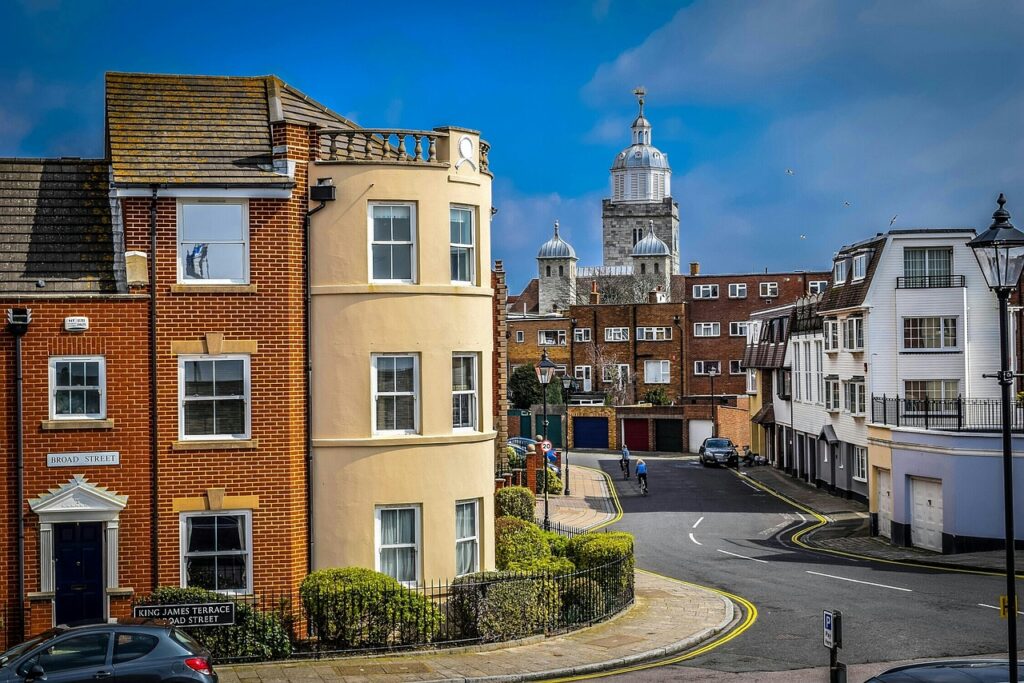
The UK’s property development industry is one of the key drivers of the national economy, providing products and services that are vital for delivering jobs and urban regeneration. By 2024, it will be within global, European, and national political, economic and regulatory conditions that are somewhat uncertain. This article provides an overview of the UK’s property development today, the major trends, the shortlist of difficulties it is facing, and forecasts for the future.
Economic Uncertainty and Market Dynamics
A recent report in the ‘Prospective developers are also living in an increasingly unpredictable economic environment in which interest rates, inflation and demand levels all fluctuate.’ 2024.
Key Economic Influences
Rising Property Costs: Raw materials and personnel costs have climbed rapidly due to global supply chain disruption and inflation, placing heavy pressure on developers’ margins, particularly those operating at considerable scales.
Interest Rates: High interest rates mean buyers need to spend more on repayments, reducing demand for property. Low interest rates increase demand for property, encouraging homeowners to move up the ladder.Banks have also become reluctant to lend to risky individuals. The Bank of England makes decisions on interest rates, and when they increase interest rates, it makes borrowing more expensive. This can slow down new housing developments, as finance becomes more expensive for builders. It also decreases demand for new properties, as fewer people want to take out large mortgages.
Consumer Confidence: Another factor associated with economic uncertainty is consumers’ reduced confidence. They are less willing to commit to a property purchase as they grow more cautious about their spending. This can create a delay in commencing developments and completing sales, most notably in the residential sector.
Political Landscape and Regulatory Changes
The political landscape in the UK is also providing a powerful influence on property development. As reported by Place North West this summer, narrow Labour victory had changed dynamics in the sector, with developers keeping a close eye on how its new government’s approach to the industry would play out.
Impact of Political Shifts
Jason Harris-Cohen from Open Property Group breaks down the political-property influence in today’s market:
“Firstly, we start with planning. This is a critical area, currently on boil. Labour’s planning reforms promise to increase the speed of housebuilding by reducing opposition and streamlining processes, enabling developers to get projects off the ground more quickly. But who will stand up for the environment and local communities?
Affordable housing: We expect the new government to be more committed to increasing the supply of affordable housing and could see planning requirements changing to force developers to include affordable units in their developments. This could impact developer profits but also lead to new opportunities.
Sustainability regulation: As the UK commits to being net-zero carbon by 2050, and recognising the urgency, the way buildings are designed and constructed, as well as the materials used in them, is likely to be more heavily regulated.”
Challenges and Opportunities
Although the property development business in the UK is generally thought of to be a tough one, there are many ways to achieve growth and innovation in it.
Urban Regeneration
Developers continue to focus on a number of key regeneration projects that are transforming cities like Manchester, Birmingham and London, helping to breathe life into formerly neglected areas.
Technology and Innovation
New technologies are helping to resolve this situation – notably Buildings Information Modelling (BIM), modular construction and sustainable building materials. They all enhance the efficiency and economic viability of developments.
Investor Interest
So although the UK property market is currently hampered due to economic uncertainty at home and abroad, the UK remains a desirable investment destination, particularly where international investors are concerned. The prospect of long-term, stable growth still means that those with money to invest are often keen to expand their portfolio. These developments propel forward large-scale investment projects, particularly in commercial real estate and infrastructure.
Outlook for the Future
Addressing the question of what the UK’s property development industry will look like in 2024 is a complex one. Many property developers will be worried about it. While there will be major economic and political uncertainties to deal with in the coming years, the industry’s flexibility and capacity to innovate.
The UK’s property development industry will play an important part in the economy’s recovery and growth into the future. Developers need to keep themselves informed and be flexible enough to take advantage of these opportunities, even if those are few.