Glasswasher vs. Dishwasher: Key Differences and How to Choose the Right One for Your Needs

At first glance, glasswashers and dishwashers might seem the same because they look similar. However, each is designed for different tasks. At home, we usually have one machine for all our washing needs, but in a commercial setting, having specialised equipment is crucial for efficiency and quality. Let’s delve into the details.
What is a Glasswasher?
A glasswasher is a special appliance designed solely for cleaning glassware. Inside, it has wash baskets crafted to securely hold various types of glasses, from pint glasses to wine glasses and tumblers. The water jets in a glasswasher are precisely aligned with these racks, ensuring thorough and gentle cleaning. This prevents damage and ensures that every piece of glassware comes out sparkling clean.
Commercial glasswashers are especially important in commercial settings like bars and restaurants where large volumes of glassware are used daily. The gentle washing process helps maintain the clarity and integrity of the glasses, making them look new for longer. This design minimises the risk of chipping or cracking, which is essential for maintaining a professional appearance and avoiding costly replacements.
What is a Commercial Dishwasher?
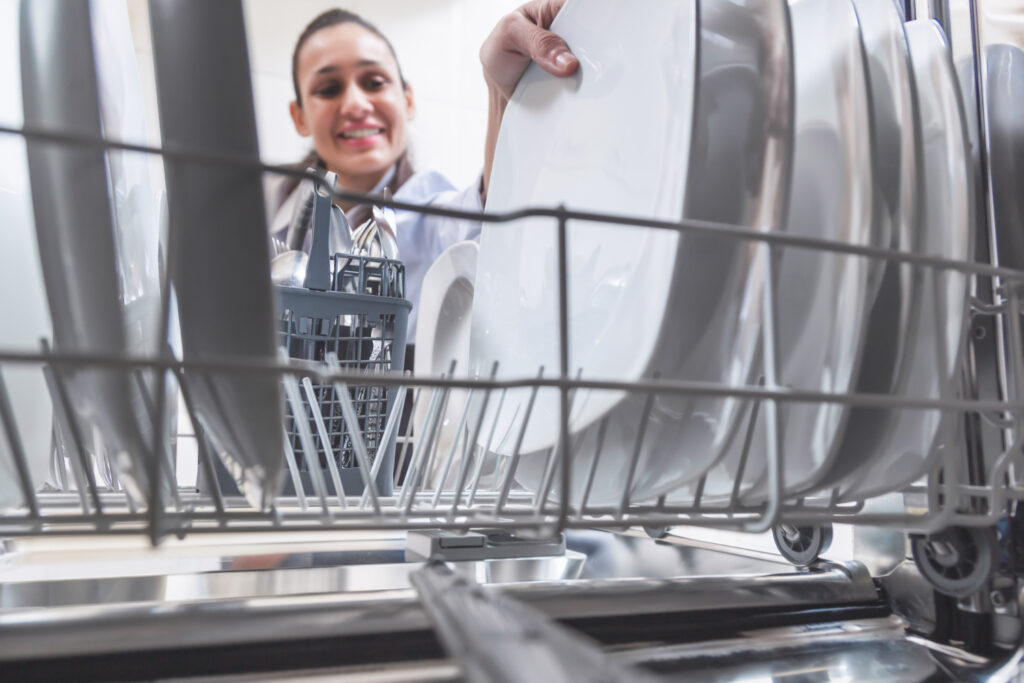
A commercial dishwasher, on the other hand, is built to handle a wide range of items, similar to a home dishwasher but with greater efficiency and speed. It is designed to hygienically clean dishes, cutlery, pots, and utensils much faster than a typical home dishwasher. This speed and efficiency are vital in a busy commercial kitchen where time and cleanliness are critical.
Unlike home dishwashers, commercial dishwashers have removable baskets. This feature allows for quicker loading and unloading, making the cleaning process more efficient in a fast-paced environment. The higher capacity and rapid cycle times of commercial dishwashers help meet the constant demand for clean dishes, making them indispensable in restaurants, cafes, and catering businesses.
Temperature Differences
One key difference between glasswashers and dishwashers is the operating temperature. Glasswashers use lower rinse temperatures to prevent damage or cracking of delicate glassware. Despite the lower temperature, they still reach the crucial 63 degrees Celsius needed to ensure hygienic cleaning. This balance is essential for maintaining both cleanliness and the longevity of glassware.
In contrast, dishwashers operate at much higher temperatures, often up to 82 degrees Celsius. These higher temperatures are necessary to effectively clean and sanitise dishes, cutlery, and cooking utensils. The intense heat helps break down food residues and grease, ensuring that all items come out spotless and hygienically clean.
Protecting and Maximising Glassware Lifespan
Glassware, being more delicate than dishes and cutlery, requires special care to avoid corrosion and damage over time. Glasswashers are designed with a gentler and shorter wash process to cater to this need. The specialised cleaning cycles not only deliver excellent wash results but also help protect and maximise the lifespan of glassware. By using a glasswasher, businesses can reduce the frequency of replacing glass items, leading to cost savings over time.
Dishwashers, however, are more robust and versatile, capable of handling a variety of items including dishes, cutlery, and small pots and pans. Their higher wash temperatures and more powerful wash cycles ensure thorough cleaning, even for heavily soiled items. This makes them ideal for commercial kitchens where maintaining high hygiene standards is critical.
The Bottom Line
The main differences between a glasswasher and a commercial dishwasher come down to temperature, wash cycle length, and the specific chemicals used. These factors influence the wash results and the lifespan of the items being cleaned.
A glasswasher, with its gentle wash process and lower temperatures, is perfect for keeping glassware pristine and prolonging its usability. A commercial dishwasher, with its higher temperatures and faster cycles, is essential for efficiently cleaning a wide range of kitchen items, ensuring they are hygienically clean and ready for use. Understanding these differences helps businesses choose the right equipment for their specific needs, optimising both efficiency and cost-effectiveness in their operations.