Why a Van Tracking System Could Help Streamline Your Deliveries and Reduce Your Carbon Footprint
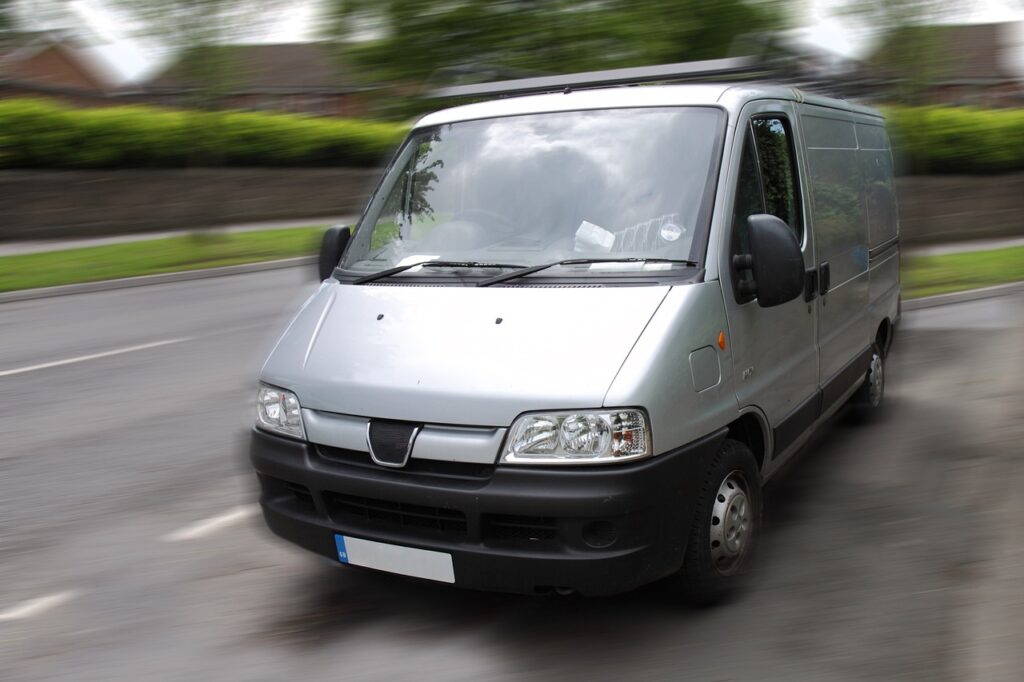
Management of logistics and deliveries is proving increasingly demanding for all business sectors in 2024. In addition to the commercial and regulatory challenges which have always been present, rising fuel costs and environmental pressures for businesses to reduce their carbon footprint mean that the sector is under more pressure than ever before. Many companies are choosing to adopt a van tracking system to help deliver these objectives. This technology provides a host of benefits that can enhance delivery processes and markedly lower the carbon footprint of your fleet.
Here are some of the benefits:
Enhanced Route Optimization
A van tracking system provides real-time data on vehicle locations, allowing for dynamic route planning and adjustments. By analysing traffic conditions and identifying the most efficient routes, companies can reduce fuel consumption and delivery times. This not only leads to cost savings but also minimizes unnecessary mileage, contributing to lower emissions and a smaller carbon footprint.
Improved Fleet Utilization
Knowing the exact location and status of each vehicle in your fleet helps in making informed decisions about vehicle deployment. A well-utilized fleet reduces the need for additional vehicles, thereby lowering overall fuel consumption and emissions. This optimized utilization ensures that each van operates at its maximum capacity, further enhancing efficiency and reducing environmental impact.
Reduced Idle Time
Idling engines are a significant source of fuel waste and emissions. Van tracking systems can monitor and report on idling times, enabling fleet managers to implement strategies to minimize this waste. By reducing idle times, companies can conserve fuel, decrease wear and tear on vehicles, and cut down on harmful emissions.
Improved Driver Behaviour
Driver behaviour has a direct impact on fuel efficiency and emissions. Van tracking systems can provide insights into driving habits such as speeding, harsh braking, and rapid acceleration. By addressing these behaviours through training and feedback, companies can improve fuel efficiency and reduce the carbon footprint of their fleet. Encouraging eco-friendly driving practices not only benefits the environment but also enhances safety and reduces vehicle maintenance costs.
Maintenance Alerts
Regular vehicle maintenance is crucial for efficient operation and minimizing emissions. Van tracking systems can automate maintenance schedules and send alerts for upcoming service needs. This proactive approach ensures that vehicles are always in optimal condition, preventing breakdowns and reducing the likelihood of higher emissions due to poorly maintained engines.
Real-Time Reporting and Analytics
Access to real-time data and comprehensive analytics allows fleet managers to make data-driven decisions. Detailed reports on fuel consumption, route efficiency, and driver behaviour enable continuous improvement of delivery operations. By leveraging this data, companies can identify areas for further optimization, contributing to ongoing reductions in fuel usage and emissions.
Conclusion
Implementing a van tracking system is a strategic move for any business aiming to enhance delivery efficiency and reduce its environmental impact. This technology not only streamlines operations and cuts costs but also plays a significant role in promoting sustainability. As companies continue to prioritize green initiatives, van tracking systems will be an indispensable tool in achieving these goals, benefiting both the bottom line and the planet.