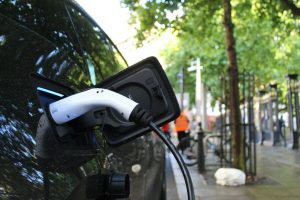
Why Hybrid Cars Are Outselling Electric Cars in 2024

In 2024, battery electric car sales have seen a significant drop in Ireland and other regions, while the overall car market has experienced a notable increase. Hybrid electric vehicles, plug-in hybrids, and conventional petrol and diesel cars have all seen a rise in sales. According to data from the Society of the Irish Motor Industry (SIMI), total car registrations rose by 5.95% from January to April 2024 compared to the same period in 2023. However, battery electric car sales decreased by 22.72%. The primary energy sources for vehicles are petrol, diesel, and plug-in hybrids, with plug-in hybrids bridging the gap between traditional and electric power.
Advantages of Hybrid Cars
- Enhanced Efficiency and Reduced Emissions
Hybrid and plug-in hybrid vehicles combine an engine with an electric battery, providing a smooth driving experience while lowering emissions and maximising fuel economy. The hybrid system burns fuel like a conventional petrol or diesel engine but recharges the battery through a generator connected to the engine. This means hybrids use petrol or diesel to fuel the engine, while the electric battery enhances the driving experience and reduces fuel consumption and emissions.
- Ideal for Urban Driving
Hybrids are especially beneficial for urban driving, where stop-and-go traffic is common. The electric battery minimises engine use, cutting emissions and fuel consumption and enabling limited zero-emissions driving. Consequently, hybrids offer better fuel economy than equivalent petrol cars and produce fewer toxic emissions than comparable diesel vehicles. Diesel hybrids and plug-in hybrids are less popular due to higher costs and less favourable emissions compared to petrol hybrids.
- Larger Batteries in Plug-In Hybrids
Plug-in hybrids feature larger batteries (10-20 kWh) that can be recharged from the electrical mains, allowing for electric-only driving for distances typically over 50 km. This is advantageous for daily commutes, which are often around 50 km, enabling minimal petrol use. The significant benefit is that plug-in hybrids alleviate range anxiety, as they can be refuelled at petrol stations and provide several hundred kilometres of range within minutes.
- Long-Lasting and Efficient Batteries
Hybrids use smaller lithium-ion (Li-ion) batteries compared to electric cars, reducing the consumption of lithium and other metals. These batteries also have longer lifespans, with warranties extending up to 15 years (e.g., Toyota). The synergy between the engine and the battery helps maximise battery life.
- Cost-Effective Refuelling Options
Hybrids provide cost-effective refuelling options, as petrol and diesel infrastructure is widespread and refuelling is quick. While electric cars offer zero emissions at the point of use and can be charged using cheap night-rate electricity or solar power, hybrids offer the convenience of quick refuelling without the need for extensive charging infrastructure.
Factors Influencing Hybrid vs. Electric Car Preferences
- Price Dynamics and Market Competition
The price of electric vehicles (EVs) has dropped significantly over the past 18 months, with the Tesla Model 3 Standard Range falling from €54,800 in December 2022 to €38,605 in May 2024. While these price reductions make EVs more accessible, they have also affected the trade-in values of electric cars, causing financial challenges for car dealers and rental companies. However, the competitive pricing of EVs compared to hybrids and conventional cars makes them an attractive option for environmentally conscious consumers.
- Fuel and Energy Costs
Fuel costs remain a significant factor in the hybrid vs. electric car debate. With petrol prices at approximately €1.80 per litre in April 2024, hybrids with fuel consumption rates of 5L per 100 km offer cost-effective driving at around 9c per km. In contrast, electric cars charged at night-time rates of 10c/kWh can cost as little as 2c per km. However, higher daytime electricity rates (35c/kWh) can increase the cost to 7c per km. The initial higher cost of EVs can be offset by the lower running costs over time, making them a viable option for long-term savings.
Infrastructure and Charging Challenges
Charging infrastructure remains a significant challenge for electric car owners, especially those living in apartments or with long commutes. While public charging facilities are improving, the process is slow, and fast chargers can degrade battery life if used frequently. Following manufacturer guidelines and using fast chargers sparingly can help maintain battery health.
Public Perception and Accessibility
Public perception plays a crucial role in the adoption of electric cars. Many consumers are deterred by the high initial cost of EVs, lifestyle changes required for regular charging, and concerns about range anxiety. Additionally, some individuals are hesitant due to the divisive public image of EV advocates like Elon Musk or the perceived technology risks associated with electric cars.
Geopolitical and Economic Considerations
Geopolitical factors and economic policies also influence the car market. Recent US tariffs on Chinese-made cars and ongoing EU policy debates can impact the availability and pricing of EVs and hybrids. Established car manufacturers are cutting prices on new electric models to stay competitive, despite losing money, which complicates their ability to invest in further EV development.
While electric cars offer zero emissions and lower running costs, hybrids provide a practical and efficient alternative with the convenience of quick refuelling and no range anxiety. The current market dynamics, including price reductions, infrastructure challenges, and public perception, influence consumer preferences towards hybrids. As technology advances and charging infrastructure improves, the balance between hybrid and electric car sales may shift, but for now, hybrids remain a popular choice for many drivers.