A Guide To CCTV Systems For Small Businesses
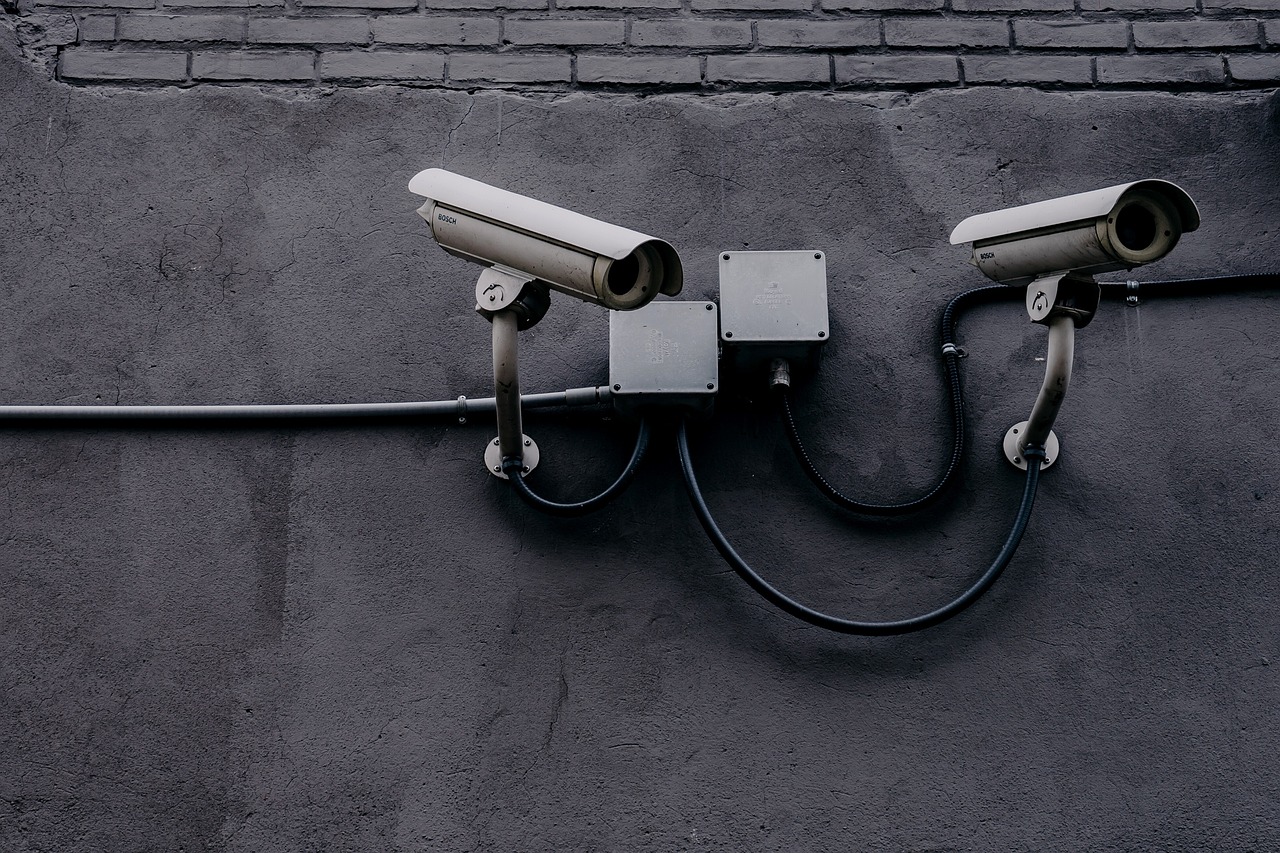
As a small business, you will want to protect your property and your staff as well as you possibly can, and one of the first steps to achieving this is by setting up a CCTV system. This can not only help to spot crimes and their offenders but also to act as a deterrent to them in the first place, so they can be a crucial part of any security set up.
In this article, ISET UK takes a look at what your small business CCTV system needs.
Legal considerations
As much as you might want to set up cameras everywhere, there are some legal considerations to take into account. You must register your details with the Information Commissioner’s Office (ICO) and pay a data protection fee. When you set up a CCTV system in your business, you must tell people that they might be recorded, which is usually achieved by putting signs up.
You should also limit who is allowed to view any of the footage and ensure that the system is only used for its intended purpose and nothing else. Whilst it is not a legal requirement, you should also respect the need for privacy for your staff and customers when thinking about where it is appropriate to locate cameras.
Camera locations
Before investing in a CCTV system, it is important to think about where you would want to locate cameras and what area they would cover. Once you know this, you can not only work out how many cameras you need, but also whether they should be suitable for indoor or outdoor use and how they would be mounted and connected.
Scalability
As a small business, budgets might be tight when you first set your CCTV system up, meaning that you might have to keep it minimal. However, if the hope is to expand on this as the business grows, then you will need to look out for a CCTV system that is scalable. This means choosing one that you can add more cameras to at a later date, and one that can provide enough storage for the footage that you capture.
Sound and vision
The picture quality of many CCTV cameras can vary, so it is important to think about what you need. Clear and crisp images will come at a price, and full HD cameras will not always be necessary if they are only covering a small space like an office. You should also think about whether you just want to capture images or whether sound is important too, as not all CCTV systems record audio as standard.
Access
You should consider how and where you want the footage to be stored, and how it can be accessed. Think about whether this should be viewed through on-site monitors and equipment, or whether you want approved personnel to be able to access live footage on their phones.
Connectivity
Whilst some cameras might be hard wired into your property, others will be wireless, so you need to consider which will be best for you. Wired systems are vulnerable in the event of a power cut, whilst wireless ones can experience battery and wi-fi issues.
When choosing a CCTV system, you need to give a lot of thought to how you want to use it within your business. This means that when it comes to investing in a system, you will have a much clearer idea of what you are looking for, what it needs to offer and how much it is likely to cost. It can be an important tool in securing your business interests and keeping people safe, so choose wisely.